Associare l’inverno in Tirolo esclusivamente alle piste da significare guardare solo una parte del quadro. Febbraio, soprattutto, è il mese in cui questa regione alpina cambia ritmo: l’inverno non se ne va ancora, ma comincia a farsi mettere in discussione. È il tempo del Carnevale, delle maschere arcaiche, delle luci che accendono la neve e di una cucina che racconta secoli di vita di montagna.
In Tirolo il Carnevale è una sorta di rito collettivo. I Fasnachtler – quasi sempre uomini – indossano costumi tradizionali, maschere scolpite, abiti realizzati a mano con mesi di preparazione. Ogni villaggio ha la sua sfilata, ogni comunità la propria versione della storia. E, come spesso accade da queste parti, “Insre isch die Beschte”: la nostra è la migliore.
A febbraio si mette in scena l’addio all’inverno, o almeno il suo indebolimento simbolico. Ad Axams, durante il suggestivo Wampelerreiten, l’inverno e la primavera si affrontano fisicamente: cavalieri mascherati combattono fino a quando l’inverno – incarnato da una figura dal ventre imbottito di fieno – viene sconfitto. Nei villaggi intorno a Innsbruck, invece, sfilano figure enigmatiche come Spiegeltuxer, Melcher, Zottler o Zaggler: personaggi che rappresentano le stagioni, il tempo che passa, la trasformazione.
Non è uno spettacolo costruito per i turisti. È un invito silenzioso a osservare, capire, entrare in sintonia.
Se il Carnevale racconta l’anima più profonda del Tirolo, la luce ne rivela il volto più contemporaneo. In inverno, qui, la neve non è solo bianca: riflette, amplifica, moltiplica.
A Wattens, i Mondi di Cristallo Swarovski sono una parentesi quasi onirica. Dietro il celebre Gigante si apre un universo fatto di installazioni luminose, arte, vetro e illusioni ottiche. Le Camere delle Meraviglie dialogano con la luce naturale, mentre nel giardino la nuvola di cristallo sospesa sopra lo stagno degli specchi diventa un’esperienza quasi meditativa.
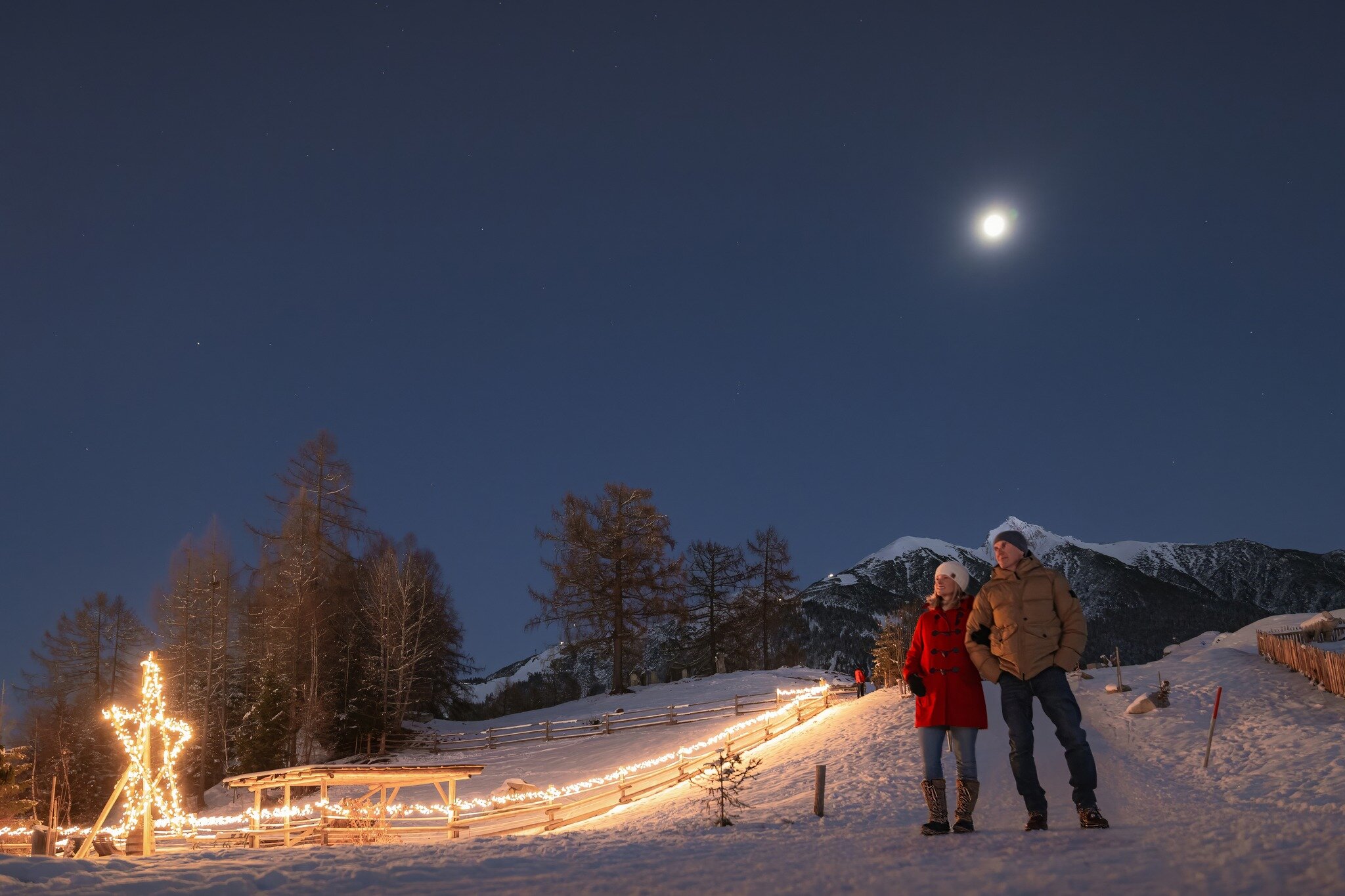
A Seefeld, invece, la magia è più discreta. Il Sentiero delle 100.000 Luci si snoda per 1,7 chilometri tra paesaggi innevati e installazioni luminose, trasformando una semplice passeggiata serale in un momento di contemplazione, dove natura e arte si incontrano senza rumore.
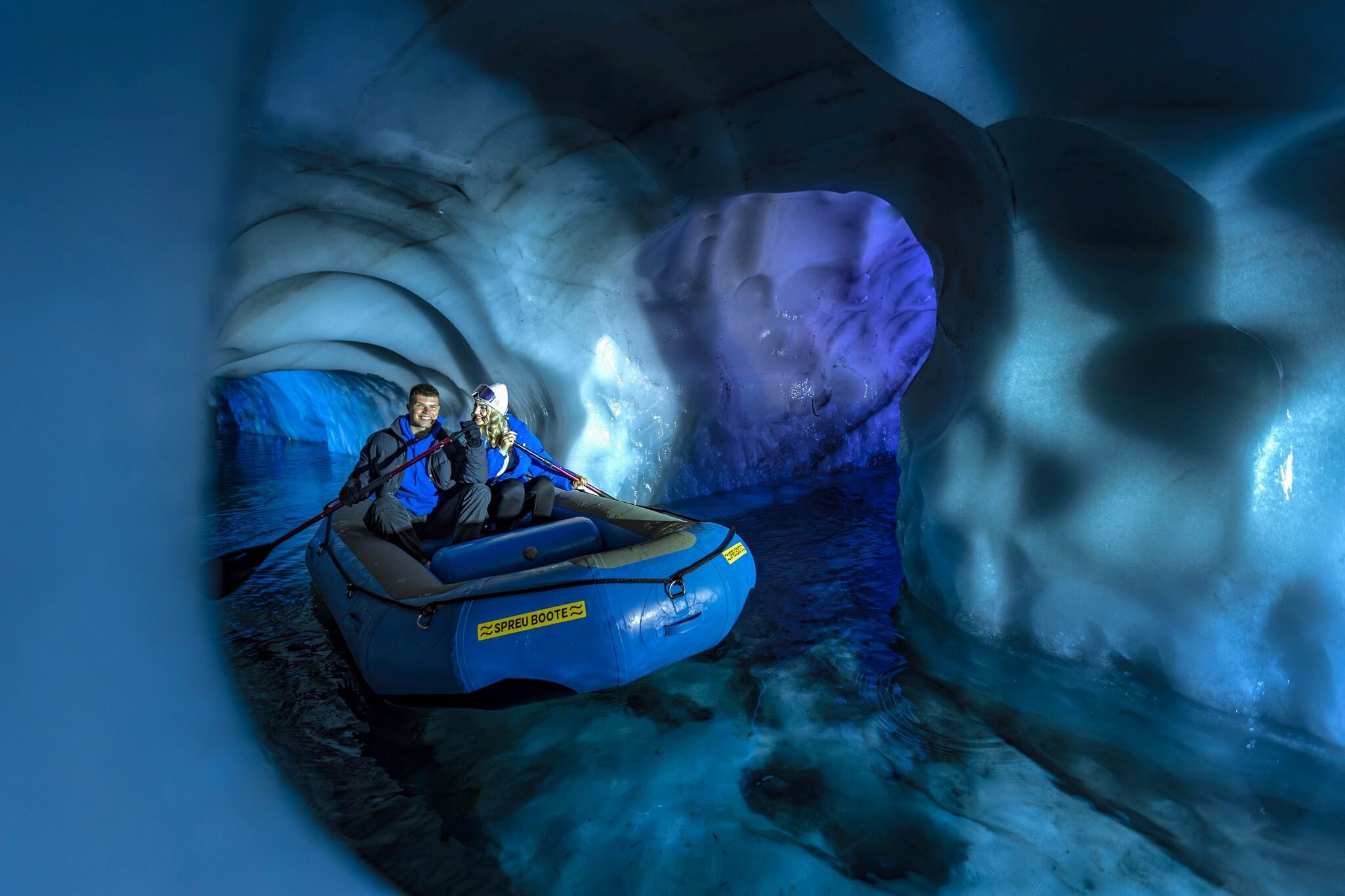
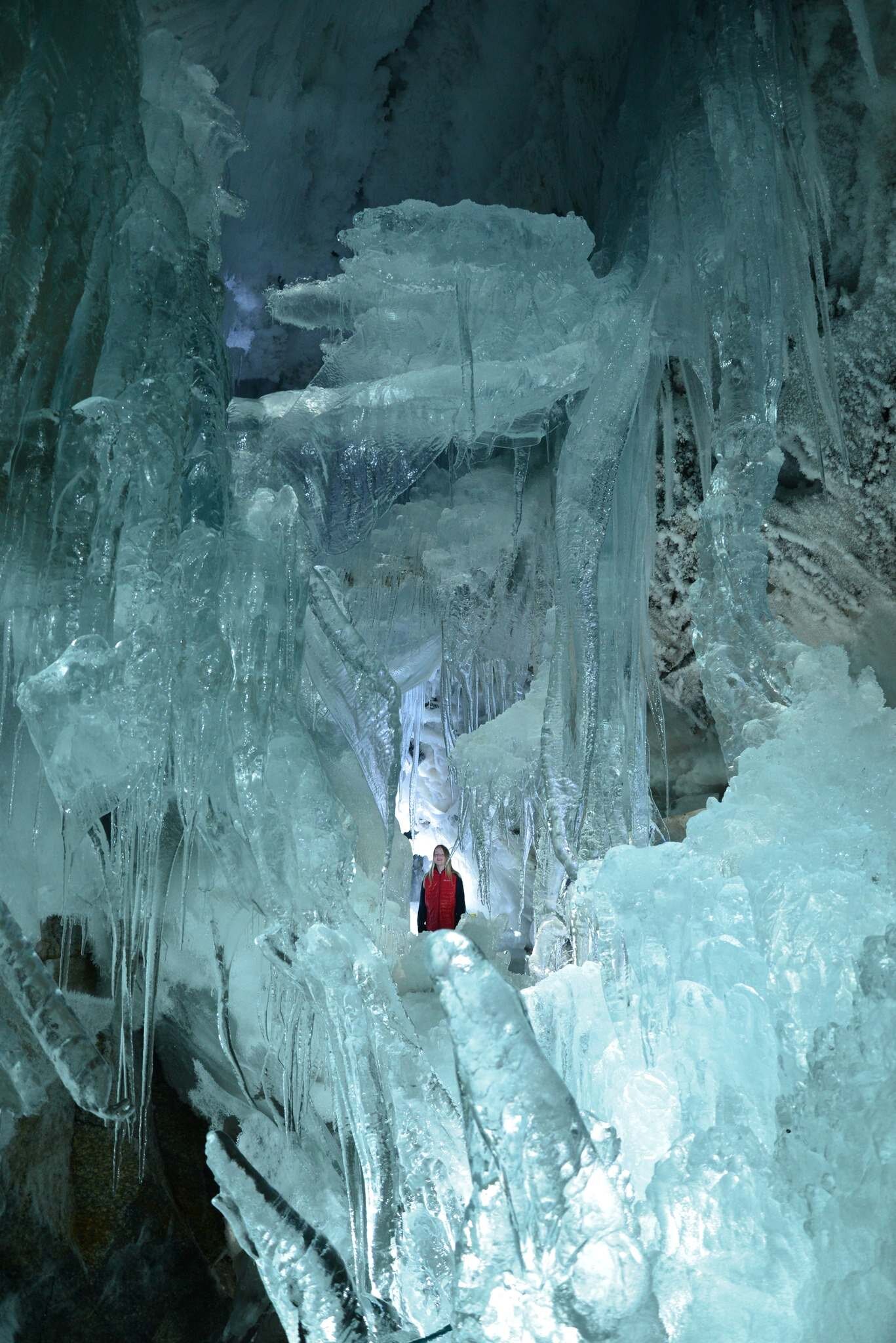
Chi ama spingersi più in profondità può scendere – letteralmente – nel NaturEisPalast del ghiacciaio di Hintertux, nella valle Zillertal. A trenta metri sotto la superficie, grotte di ghiaccio, stalattiti e un lago sotterraneo raccontano la potenza silenziosa del ghiaccio eterno. Un’esperienza che ridimensiona e affascina, soprattutto in inverno.
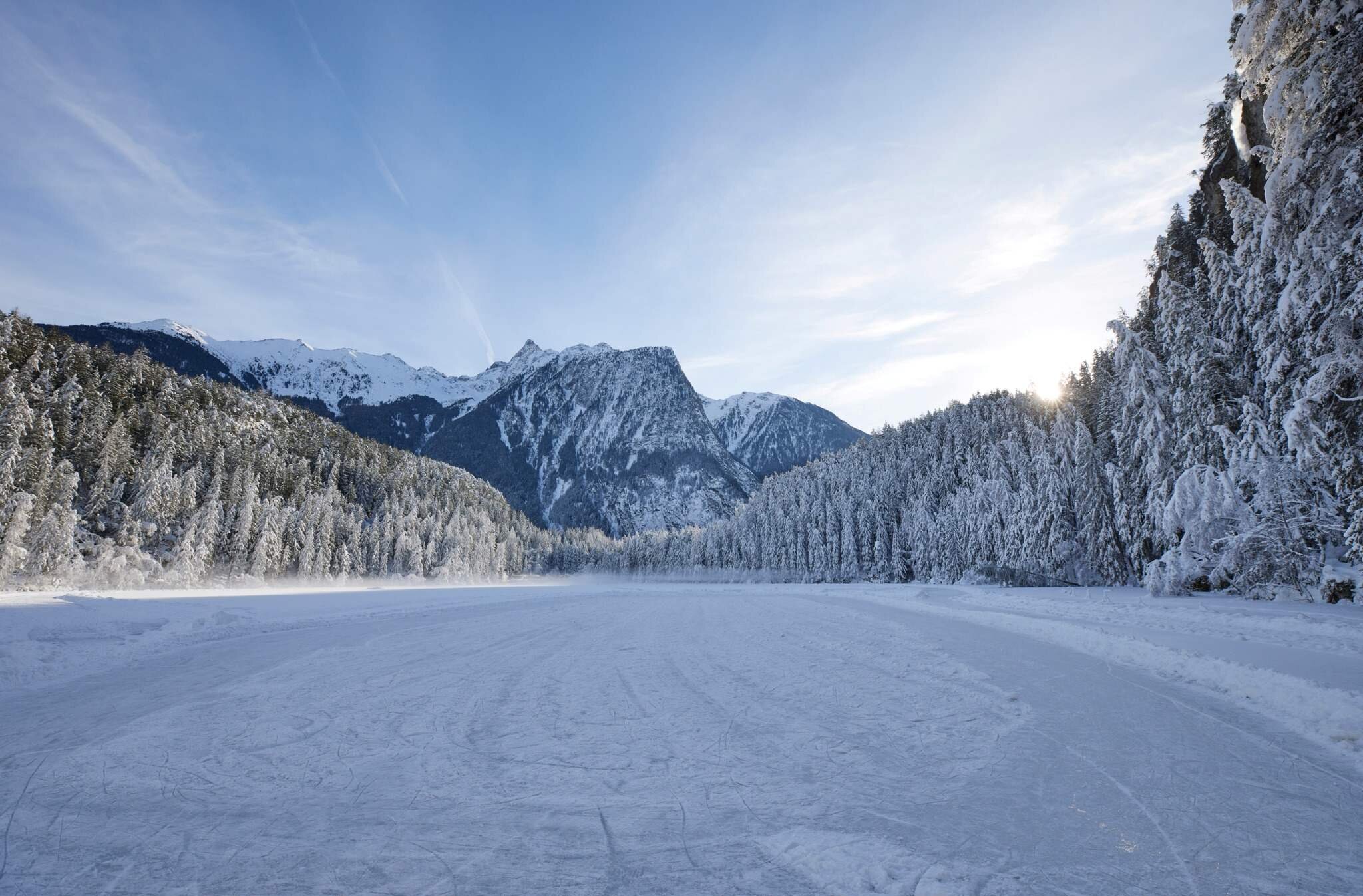
E poi ci sono i laghi ghiacciati, che diventano piste naturali per il pattinaggio: superfici lisce come specchi, giochi di luce, silenzio. Un modo lento e poetico di vivere l’inverno alpino.
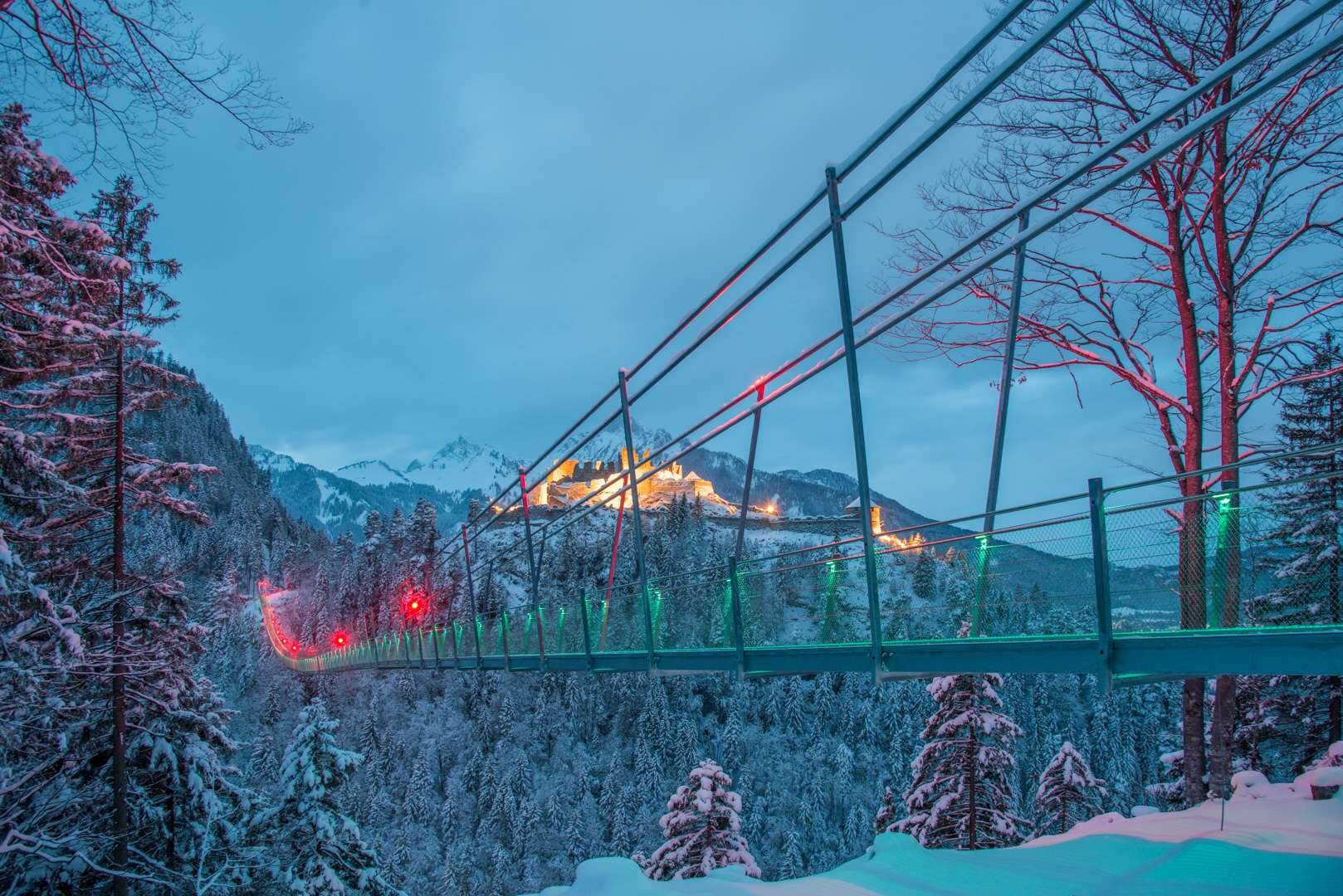
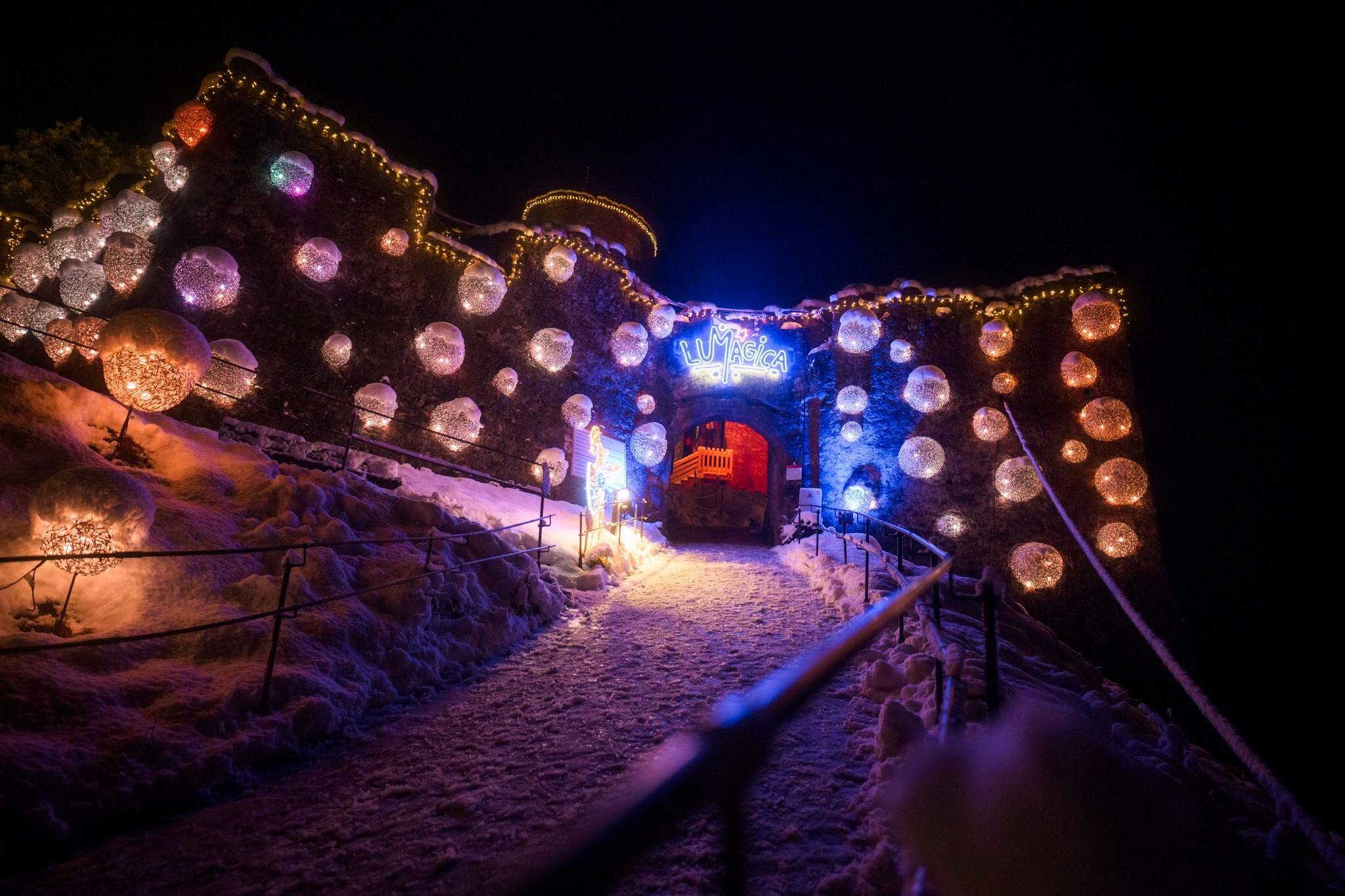
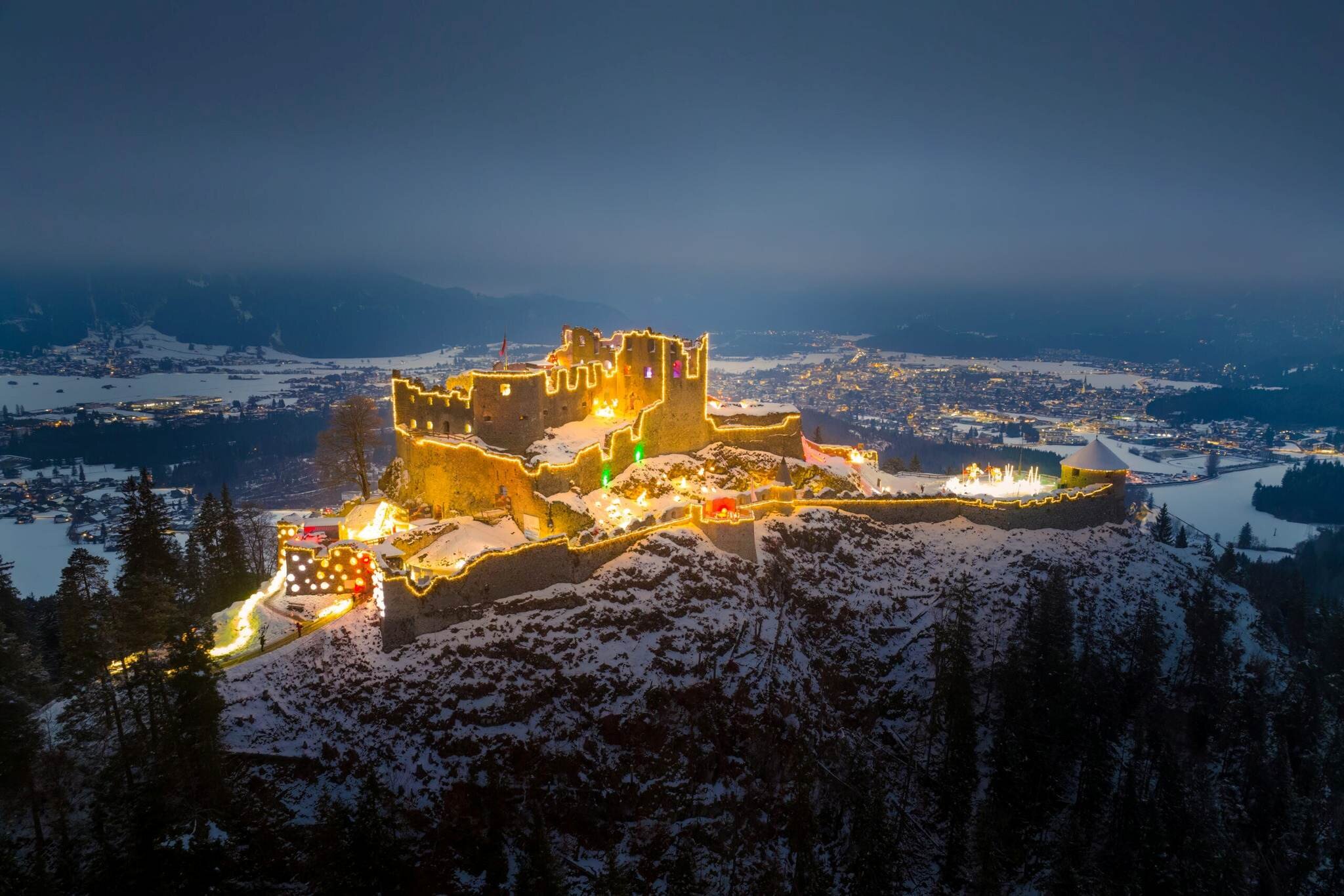
A Innsbruck e Reutte, infine, l’inverno si fa scenografia grazie a Lumagica: installazioni luminose artistiche che animano parchi storici e rovine medievali, tra percorsi immersivi e atmosfere sospese.
A tavola: il Tirolo che scalda
Dopo il freddo, la luce e le camminate, il Tirolo si racconta nel modo più diretto possibile: a tavola.
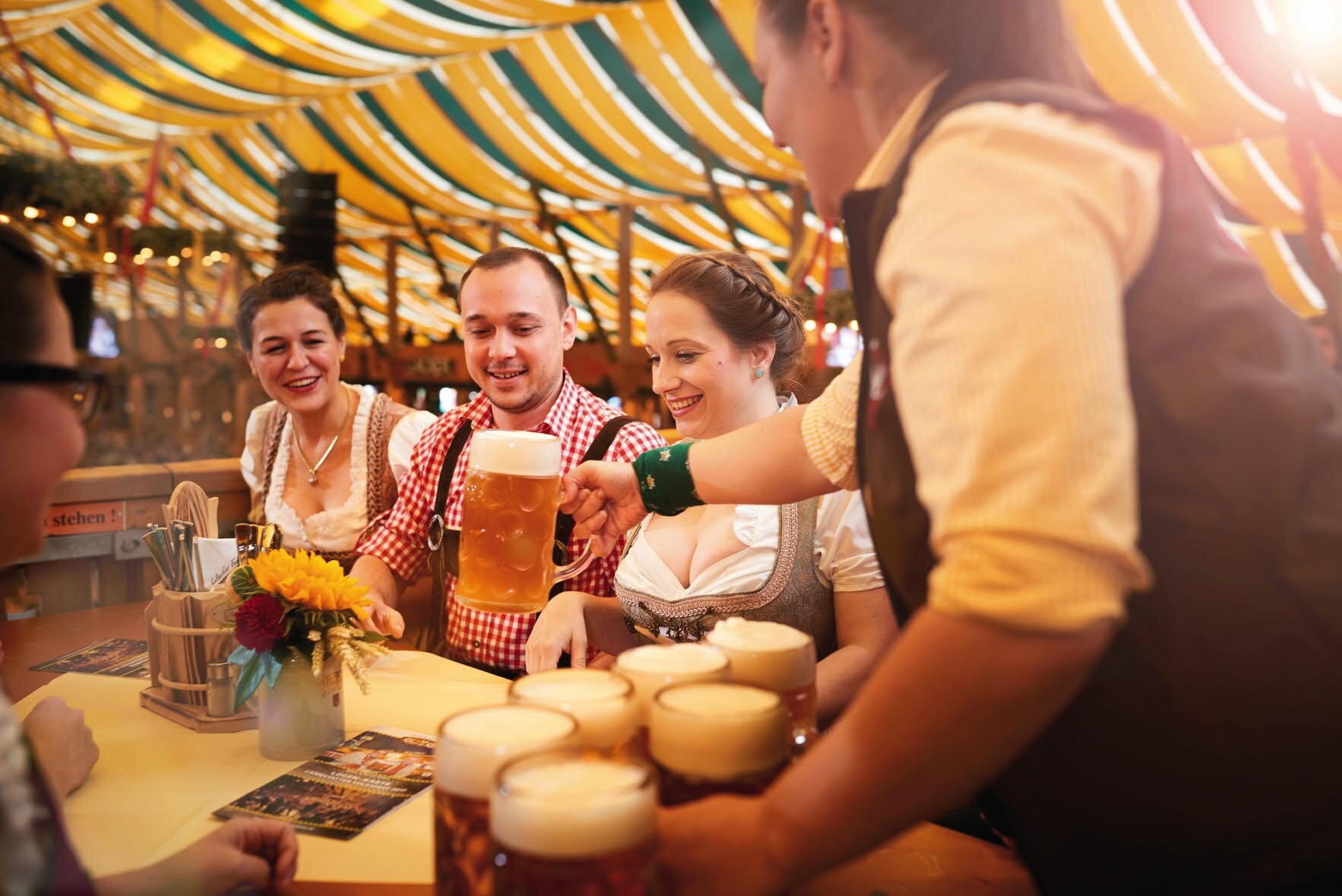
La cucina tirolese è essenziale, concreta, profondamente legata al territorio. Speck, formaggi di montagna, patate, burro d’alpeggio ed erbe aromatiche sono la base di piatti pensati per sostenere il corpo durante l’inverno.
Impossibile non assaggiare i canederli allo speck, al formaggio o alle erbe, così come il Tiroler Gröstl, piatto unico di patate, carne e uova, o gli Schlutzkrapfen, mezzalune ripiene che raccontano la vicinanza con il mondo alpino e mitteleuropeo. E poi il Kaiserschmarrn, dolce iconico, imperfetto e generoso.
Anche chi segue una cucina vegetariana trova molte alternative: Kaspressknödel, Krautkrapfen, versioni senza carne dei piatti tradizionali, spesso reinterpretate in chiave contemporanea.
Fare una vacanza in Tirolo a febbraio permette di non scegliere una sola esperienza, ma di lasciarsi attraversare da più livelli. I riti che segnano il passaggio delle stagioni, i piatti che raccontano il gusto delle Alpi, la luce che ritorna e che offre una prospettiva nuova.
Tyrol in February: Carnival, Winter Light and the Taste of the Alps
Associating winter in Tyrol exclusively with ski slopes means seeing only part of the picture. February, above all, is the month when this Alpine region changes pace: winter is not over yet, but it begins to be questioned. It is the time of Carnival, of ancient masks, of lights that ignite the snow, and of a cuisine that tells centuries of mountain life.
In Tyrol, Carnival is a kind of collective ritual. The Fasnachtler – almost always men – wear traditional costumes, carved masks and garments made by hand over months of preparation. Every village has its own parade, every community its own version of the story. And, as is often said here, “Insre isch die Beschte”: ours is the best.
In February, the farewell to winter is staged – or at least its symbolic weakening. In Axams, during the evocative Wampelerreiten, winter and spring confront each other physically: masked riders fight until winter – embodied by a figure with a belly stuffed with hay – is defeated. In the villages around Innsbruck, instead, enigmatic figures such as Spiegeltuxer, Melcher, Zottler or Zaggler parade through the streets: characters representing the seasons, the passing of time, transformation.
This is not a spectacle built for tourists. It is a quiet invitation to observe, to understand, to tune in.
If Carnival tells the deepest soul of Tyrol, light reveals its more contemporary face. In winter, snow here is not just white: it reflects, amplifies, multiplies.
In Wattens, the Swarovski Crystal Worlds are an almost dreamlike interlude. Behind the iconic Giant, a universe of light installations, art, glass and optical illusions unfolds. The Chambers of Wonder interact with natural light, while in the garden the crystal cloud suspended above the mirror pool becomes an almost meditative experience.
In Seefeld, the magic is more discreet. The Trail of 100,000 Lights stretches for 1.7 kilometres through snowy landscapes and luminous installations, turning a simple evening walk into a moment of contemplation, where nature and art meet in silence.
Those who like to go deeper can literally descend into the NaturEisPalast of the Hintertux Glacier, in the Zillertal Valley. Thirty metres below the surface, ice caves, stalactites and a subterranean lake reveal the silent power of eternal ice. An experience that humbles and fascinates, especially in winter.
Then there are the frozen lakes, which become natural ice rinks: mirror-like surfaces, plays of light, silence. A slow and poetic way to experience the Alpine winter.
In Innsbruck and Reutte, finally, winter becomes a stage thanks to Lumagica: artistic light installations that animate historic parks and medieval ruins, through immersive paths and suspended atmospheres.
At the table: Tyrol that warms
After the cold, the light and the walks, Tyrol tells its story in the most direct way possible: at the table.
Tyrolean cuisine is essential, concrete and deeply connected to the land. Speck, mountain cheeses, potatoes, alpine butter and aromatic herbs form the basis of dishes designed to sustain the body during winter.
Impossible not to taste speck, cheese or herb dumplings, as well as Tiroler Gröstl – a hearty dish of potatoes, meat and eggs – or Schlutzkrapfen, filled half-moons that reflect the closeness to the Alpine and Central European world. And then there is Kaiserschmarrn, an iconic dessert, generous and imperfect.
Those who follow a vegetarian diet will also find many alternatives: Kaspressknödel, Krautkrapfen, meat-free versions of traditional dishes, often reinterpreted in a contemporary key.
Taking a holiday in Tyrol in February allows you not to choose just one experience, but to be carried through different layers: rituals that mark the passing of the seasons, dishes that tell the taste of the Alps, and the returning light that offers a new perspective.