Il confine tra letteratura e cinema è spesso un territorio d’elezione per riscoprire tesori dimenticati. È il caso de “L’Isola degli Idealisti”, il film diretto da Elisabetta Sgarbi che, dopo il successo alla Festa del Cinema di Roma e la candidatura ai David di Donatello, si appresta a varcare le Alpi. La pellicola è stata scelta per inaugurare, il prossimo 27 marzo, la settima edizione del FFILI di Bordeaux, prestigioso festival dedicato alla cultura franco-italiana.
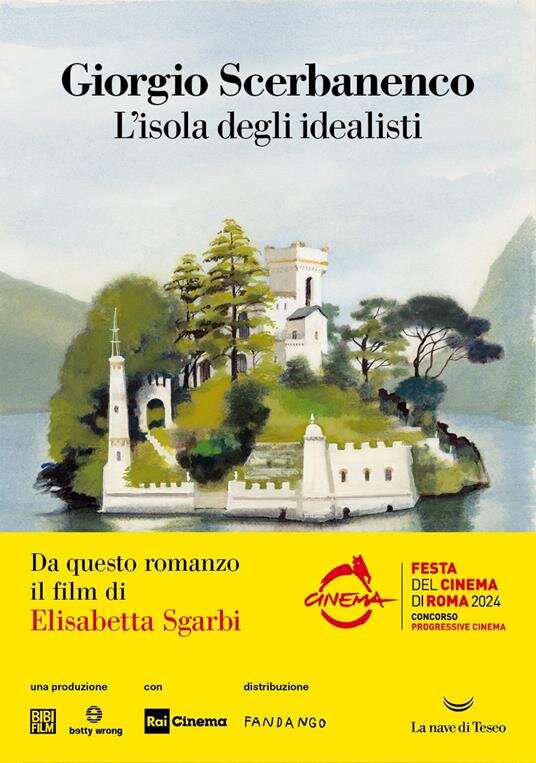
L’opera non è un esercizio di stile, ma l’atto finale di un recupero filologico straordinario: il film è infatti tratto dal romanzo omonimo di Giorgio Scerbanenco, rimasto inedito per ben 75 anni e riportato alla luce dalla figlia Cecilia solo nel 2018 per La nave di Teseo.
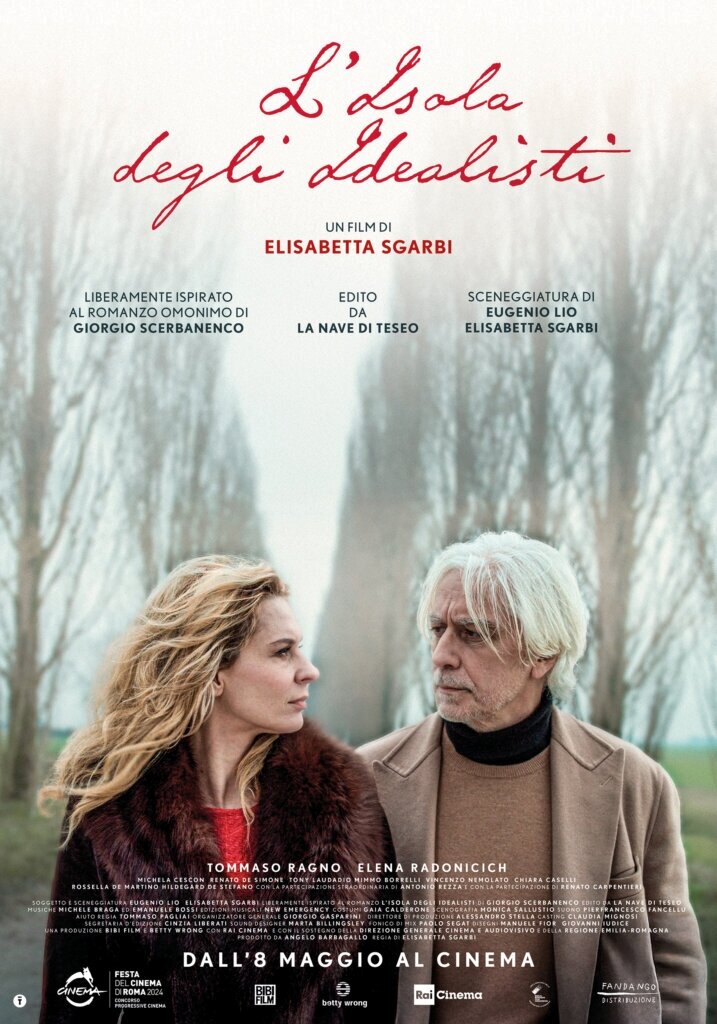
Scritto tra il 1942 e il 1943, il racconto ci porta su un’isola dove la quiete della famiglia Reffi viene bruscamente interrotta dall'arrivo di Guido e Beatrice (interpretati da Tommaso Ragno ed Elena Radonicich), due ladri in fuga.
Il cuore del film risiede nel dilemma morale che scuote gli abitanti della villa: consegnare i fuggitivi alla giustizia o offrire loro una possibilità di redenzione? Un tema universale che, come sottolineato dalla regista Elisabetta Sgarbi, conferma la potenza narrativa di Scerbanenco, capace di parlare a ogni epoca e latitudine.
Parlare de L'Isola degli Idealisti significa rendere omaggio a colui che ha reinventato il brivido in Italia. Giorgio Scerbanenco non è stato un semplice giallista; è stato il chirurgo che ha operato a cuore aperto la società italiana degli anni ’60.
Mentre il boom economico cercava di nascondere le polveri sotto il tappeto, la penna di Scerbanenco esplorava il "ventre oscuro" di Milano, trasformando la metropoli lombarda in un palcoscenico di contraddizioni, nebbia e violenza. È con lui che nasce il Noir contemporaneo in Italia: le sue storie non cercavano solo il colpevole, ma analizzavano le radici sociali del male.
Il legame tra Scerbanenco e la settima arte non è solo una questione di adattamenti, ma un rapporto viscerale che ha fornito il carburante necessario per la nascita del Poliziottesco. Negli anni ’70, questo genere avrebbe dominato i botteghini, ma le sue radici affondano già nel 1969, quando il regista pugliese Fernando Di Leo intuì il potenziale dirompente della scrittura di Scerbanenco portando sullo schermo I ragazzi del massacro.
È in questo clima di fermento che prende forma la figura di Duca Lamberti, il medico-investigatore che rompe i cliché del poliziotto infallibile per diventare il prototipo dell'eroe tormentato. Muovendosi in una realtà cruda, fatta di emarginazione e degrado suburbano, Lamberti incarna perfettamente lo spirito dello scrittore: un uomo sanguigno e mai giustizialista, mosso solo da un viscerale amore per la verità in una Milano che stava perdendo la propria innocenza sotto i colpi del boom economico.
Questa sinergia tra penna e macchina da presa trova il suo apice nelle atmosfere plumbee e spietate di raccolte come Milano Calibro 9. Senza quelle pagine, non avremmo mai avuto la celebre "trilogia del milieu" di Di Leo, opere di culto che ancora oggi influenzano l'estetica di registi globali come Quentin Tarantino. Scerbanenco è riuscito nell'impresa di infondere nel genere noir una dignità letteraria e una carica di denuncia sociale senza precedenti, trasformando i suoi criminali di periferia in figure tragiche e indimenticabili, sospese tra il fango della cronaca e l'eternità del mito cinematografico.
Oggi, quella forza narrativa torna a splendere grazie alla visione di Elisabetta Sgarbi. Il film, prodotto da Angelo Barbagallo per Bibi film e Betty Wrong con Rai Cinema e distribuito da Fandango, rappresenta la conferma della modernità assoluta di un autore capace di superare i confini del tempo e dello spazio.
“Sono orgogliosa di questo invito,” ha commentato la regista ed editrice, “che interpreto come un riconoscimento alla forza di Scerbanenco di raccontare storie universali, che possono arrivare ovunque, sorprendere ed emozionare”. Un debutto internazionale che non è solo un traguardo cinematografico, ma il giusto tributo a un maestro che ha saputo leggere, prima di chiunque altro, le ombre dell'animo umano.
Between Page and Screen: Elisabetta Sgarbi’s "The Island of Idealists" Lands in France
The boundary between literature and cinema is often the ideal territory for rediscovering forgotten treasures. Such is the case with "The Island of Idealists" (L’Isola degli Idealisti), the film directed by Elisabetta Sgarbi which, following its success at the Rome Film Fest and its David di Donatello nomination, is now set to cross the Alps. The film has been selected to open the 7th edition of the FFILI in Bordeaux on March 27th, a prestigious festival dedicated to Franco-Italian culture.
This work is far more than a stylistic exercise; it is the final act of an extraordinary philological recovery. The film is based on the eponymous novel by Giorgio Scerbanenco, which remained unpublished for 75 years until it was rediscovered by his daughter, Cecilia, and published by La nave di Teseo in 2018. Written between 1942 and 1943, the story transports us to an island where the tranquility of the Reffi family is abruptly shattered by the arrival of Guido and Beatrice (played by Tommaso Ragno and Elena Radonicich), two thieves on the run.
At the heart of the film lies a moral dilemma that shakes the villa’s inhabitants: should they hand the fugitives over to the law or offer them a chance at redemption? This universal theme, as emphasized by director Elisabetta Sgarbi, confirms Scerbanenco’s narrative power—a voice capable of speaking to every era and latitude.
Discussing The Island of Idealists means paying tribute to the man who reinvented the "thriller" in Italy. Giorgio Scerbanenco was not merely a mystery writer; he was a surgeon who performed open-heart surgery on 1960s Italian society. While the economic boom attempted to sweep systemic flaws under the rug, Scerbanenco’s pen explored the "dark underbelly" of Milan, transforming the Lombard metropolis into a stage of contradictions, fog, and violence. It is with him that the contemporary Italian Noir was born: his stories didn't just search for a culprit; they analyzed the social roots of evil.
The link between Scerbanenco and the "seventh art" is not just a matter of adaptations, but a visceral relationship that provided the fuel for the birth of the Poliziottesco genre. This style would dominate the box office in the 1970s, but its roots trace back to 1969, when director Fernando Di Leo intuited the disruptive potential of Scerbanenco’s prose, bringing I ragazzi del massacro to the screen.
It was in this ferment that the figure of Duca Lamberti took shape—the doctor-turned-investigator who shattered the cliché of the infallible policeman to become the prototype of the tormented hero. Moving through a raw reality of marginalization and suburban decay, Lamberti perfectly embodies the author’s spirit: a passionate, never judgmental man, driven only by a visceral love for the truth in a Milan losing its innocence to the economic miracle.
This synergy between the pen and the camera reached its zenith in the bleak, ruthless atmospheres of collections like Milano Calibro 9. Without those pages, we would never have seen Di Leo’s celebrated "Milieu Trilogy," cult masterpieces that continue to influence the aesthetics of global directors like Quentin Tarantino. Scerbanenco succeeded in imbuing the noir genre with unprecedented literary dignity and social critique, turning petty criminals into tragic, unforgettable figures suspended between the grit of crime news and the eternity of cinematic myth.
Today, that narrative force shines anew through Elisabetta Sgarbi’s vision. The film—produced by Angelo Barbagallo for Bibi film and Betty Wrong with Rai Cinema and distributed by Fandango—confirms the absolute modernity of an author capable of transcending the boundaries of time and space.
"I am proud of this invitation," the director and publisher commented, "which I interpret as a recognition of Scerbanenco's power to tell universal stories that can reach anywhere, surprising and moving audiences." This international debut is not just a cinematic milestone, but a fitting tribute to a master who knew how to read, before anyone else, the shadows of the human soul.