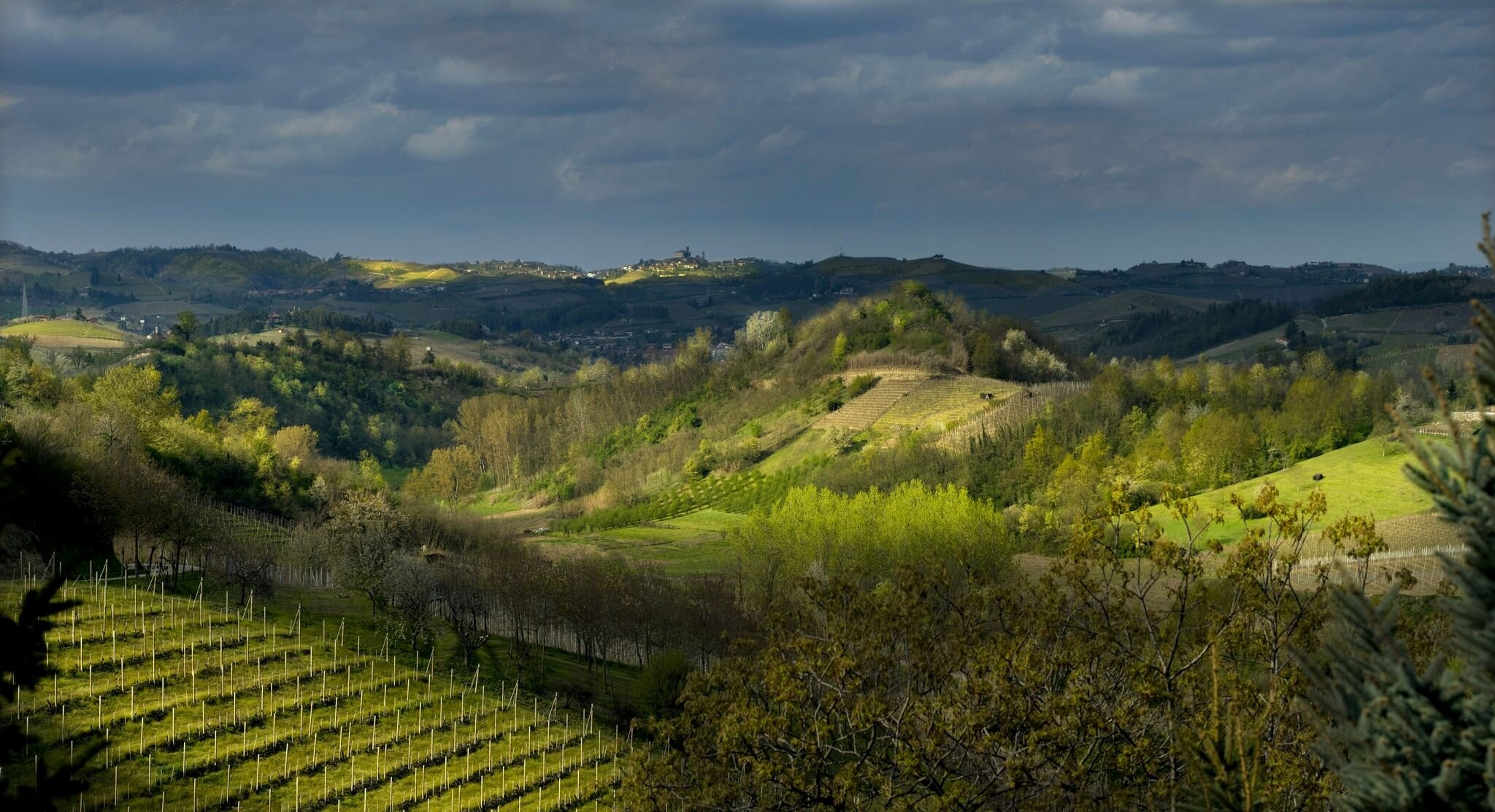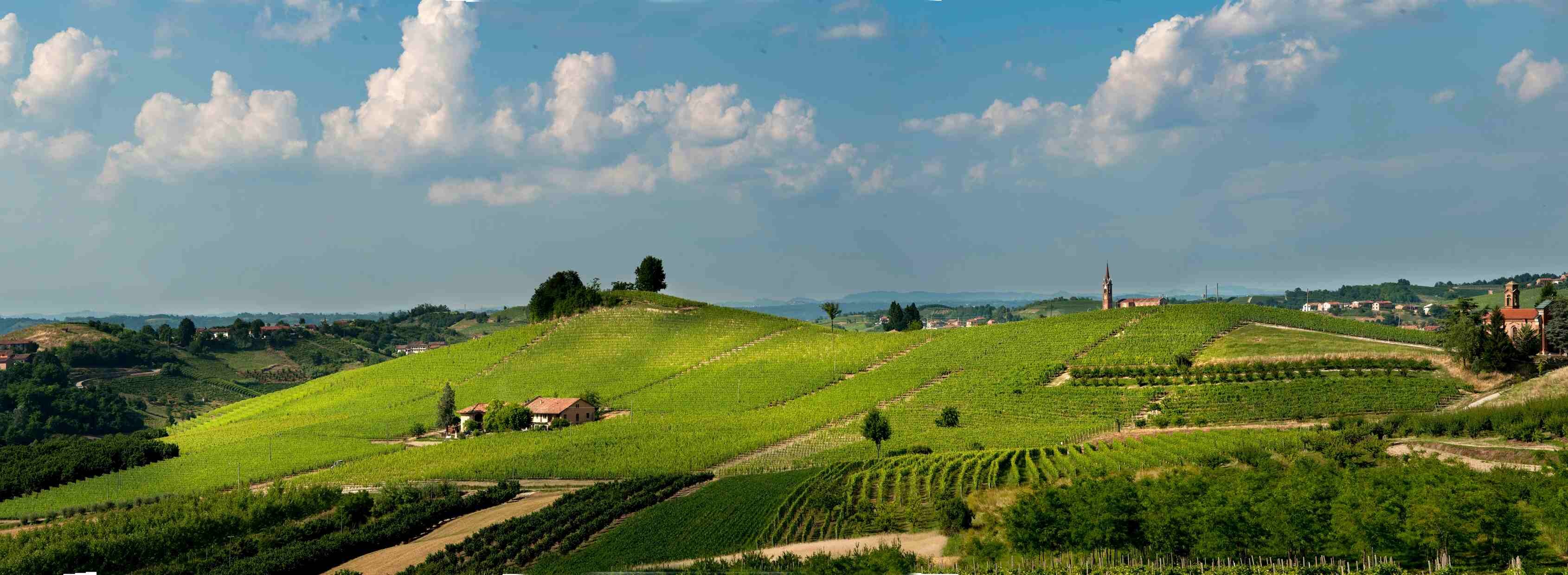
Nelle Langhe Monferrato Roero, la Pasqua è un tempo che si prepara. Si avverte nell’aria ancora fresca di marzo e nei filari che iniziano a cambiare luce.
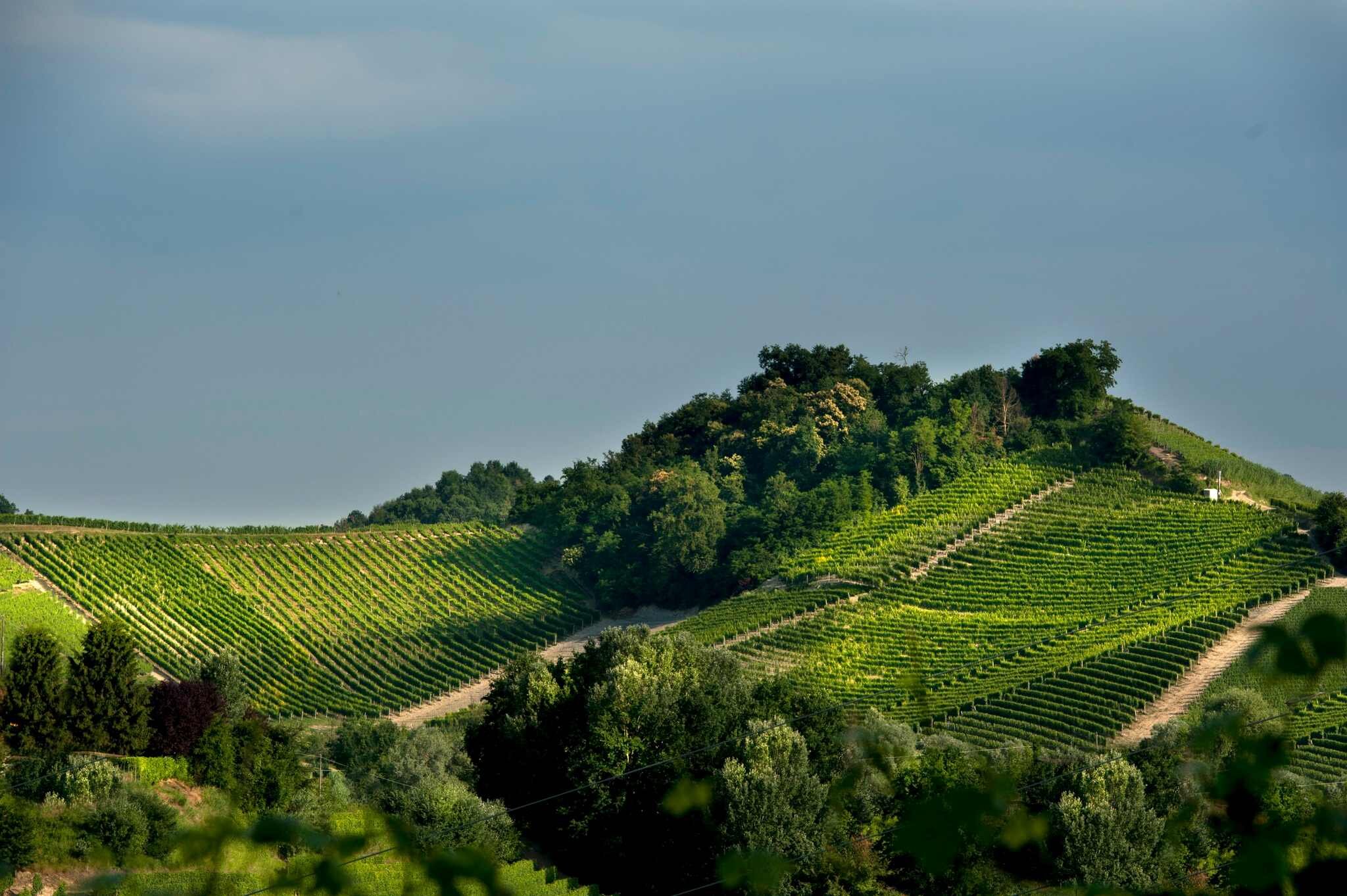
Qui, tra borghi e cascine patrimonio UNESCO, la Quaresima è una stagione dell’anima collettiva, chi arriva da fuori entra in punta di piedi in una narrazione delle tradizioni che appartiene alla comunità.
Nel Roero la primavera si annuncia con un canto. Il Canté j’Euv è una questua antica: gruppi di cantori attraversano le borgate, si fermano davanti alle case, intonano melodie augurali e ricevono in dono uova. Un gesto semplice, ma carico di simboli. L’uovo è rinascita, fertilità, promessa di stagione nuova. È un rito sociale che riattiva relazioni, apre porte, scioglie distanze. Succede, ad esempio, a Monticello d’Alba e a Montaldo Roero, dove le voci risuonano tra i vicoli e le cascine. Per chi ama raccontare l’Italia autentica, è una scena quasi cinematografica: le colline sullo sfondo, il crepuscolo, le armonie corali che si intrecciano.
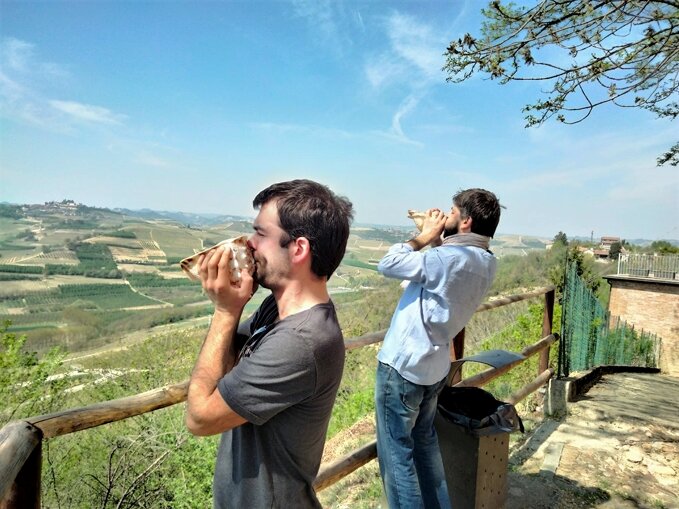
Nel cuore della Settimana Santa, quando la liturgia impone il silenzio delle campane, nel Roero accade qualcosa di inatteso: a chiamare la comunità è il suono delle conchiglie marine. La Suonata delle Conchiglie è uno di quei riti che sorprendono anche chi conosce bene queste terre. A mezzogiorno, tra il Giovedì e il Sabato Santo, il timbro profondo delle conchiglie attraversa le colline con un’eco arcaica, quasi primordiale. È un suono che unisce sacro e natura, raccoglimento e paesaggio. Non ha nulla di spettacolare, e proprio per questo resta impresso: è un’esperienza più da vivere che da fotografare.
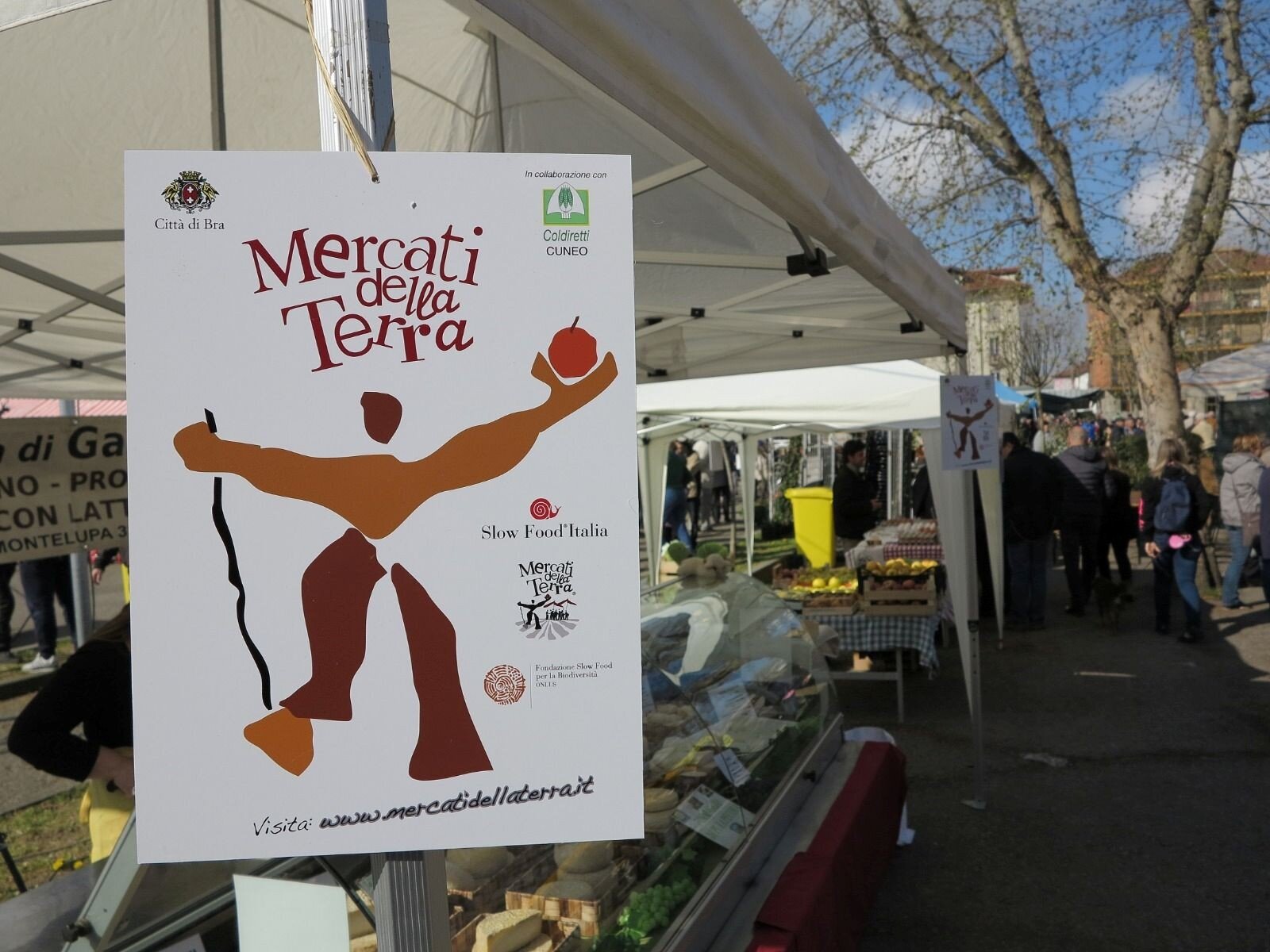
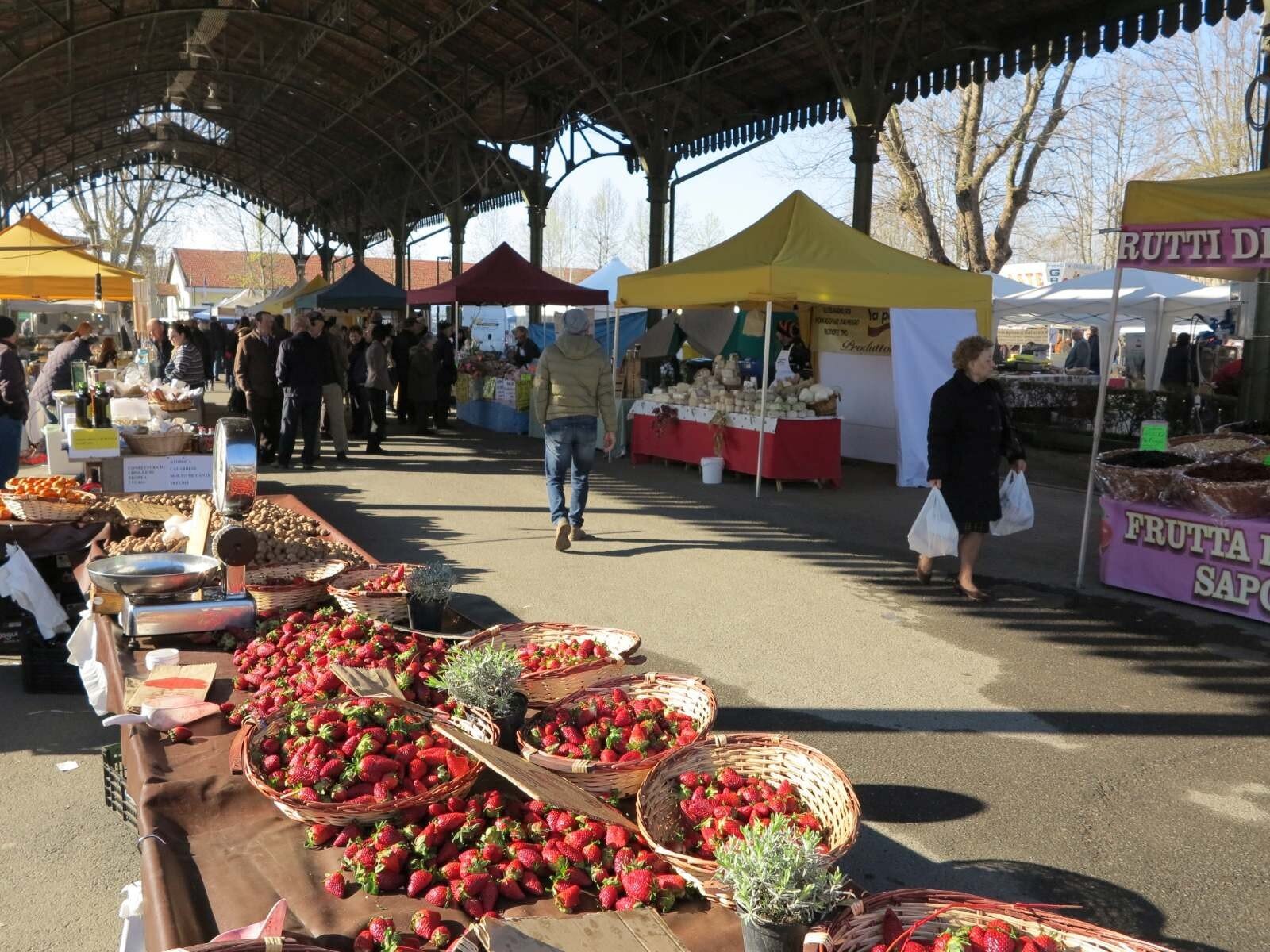
Dopo il raccoglimento arriva la convivialità. E a Bra la Pasquetta è una cosa seria. La storica Fiera Zootecnica, giunta a un traguardo che racconta un secolo e mezzo di storia, riporta al centro la vocazione agricola del territorio. Mercati contadini, incontri, animali da allevamento, famiglie che si ritrovano in piazza. In collaborazione con realtà come Slow Food e Campagna Amica, la città celebra ciò che la rende riconoscibile: la qualità delle sue produzioni e il legame con la terra. Protagonista indiscussa è la Salsiccia di Bra, simbolo gastronomico di un saper fare artigianale che qui non è moda ma continuità. Pasquetta, da queste parti è un rito collettivo che mescola mercato, musica, tradizione e quella leggerezza tipica delle prime giornate tiepide.
A pochi chilometri dalle colline del Roero, Antignano trasforma il Venerdì Santo in un grande teatro a cielo aperto. Dal 1989 il paese mette in scena una Via Crucis con circa 150 figuranti. È un lavoro collettivo che coinvolge costumisti, artigiani, tecnici, volontari. La Gerusalemme di duemila anni fa prende forma tra le vie del borgo, in un intreccio di devozione e intensità scenica. Il Cristo porta una croce di legno pesante, il freddo spesso punge, il silenzio del pubblico è parte integrante della scena.
La Pasqua nelle Langhe Monferrato Roero si racconta anche nei forni. Tra Bandito di Bra e Sanfrè, in Quaresima torna il “fuaset”: un panino dolce dorato, profumato di burro e limone, con una caratteristica forma a cinque punte. Nato alla fine del Settecento come recupero della pasta del pane, era il dolce semplice dei giorni di penitenza, oggi è riconosciuto anche nell’Arca del Gusto di Slow Food. Non è facile trovarlo fuori stagione. E forse è giusto così: alcune cose hanno senso solo quando arrivano al momento giusto.
Due settimane dopo Pasqua, a Belvedere Langhe, la Festa dei Micùn rinnova un altro rito antico. Nell’Oratorio di San Sebastiano, la Confraternita dei Battuti Bianchi benedice e distribuisce i grandi pani che un tempo venivano conservati come protezione durante l’anno. Un pezzo di pane custodito in casa, come promessa silenziosa di buon auspicio.
È una tradizione che parla di fede, certo. Ma anche di rapporto con la terra, con il raccolto, con il tempo.
Visitare le Langhe Monferrato Roero nel periodo pasquale, non è solo un viaggio tra colline patrimonio UNESCO. È un’immersione in un’Italia che continua a riconoscersi nei suoi riti, senza nostalgia e senza bisogno di effetti speciali. E forse è proprio questa sobrietà a renderla, oggi, così contemporanea.
Inizio modulo
Easter in Langhe Monferrato Roero: the slow rhythm of rituals and rolling hills
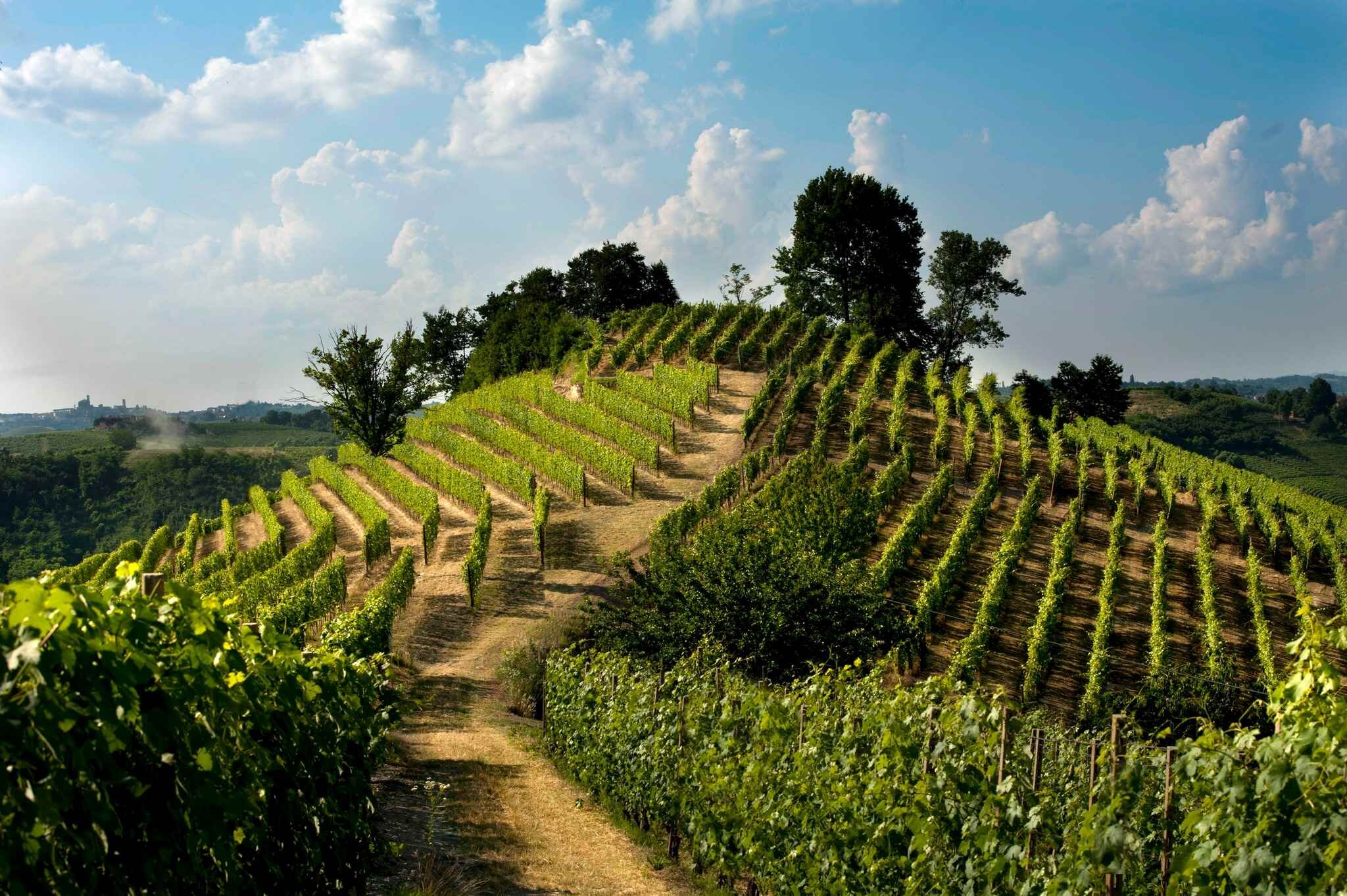
In Langhe Monferrato Roero, Easter is not simply a date on the calendar. It is a season in the making. You can feel it in the still-crisp air of March and in the vineyards as the light begins to shift.
Here, among villages and farmhouses recognized as a Langhe-Roero and Monferrato World Heritage landscape, Lent becomes a shared, collective season of the soul. Visitors step quietly into a narrative of traditions that truly belongs to the community.
In the Roero, spring is announced through song. The Canté j’Euv is an ancient rural quest: groups of singers walk through hamlets, stop in front of houses, perform traditional songs, and receive eggs in return. A simple gesture, yet rich in symbolism. The egg stands for rebirth, fertility, and the promise of a new season. It is a social ritual that rekindles relationships, opens doors, and bridges distances. It takes place, for example, in Monticello d’Alba and Montaldo Roero, where voices echo through narrow streets and farm courtyards. For those who seek authentic Italy, it feels almost cinematic: rolling hills at dusk and harmonies blending in the fading light.
During Holy Week, when church bells fall silent, something unexpected happens in the Roero: the community is called together by the sound of sea shells. The Suonata delle Conchiglie is one of those rituals that surprise even seasoned travelers. At noon, between Holy Thursday and Holy Saturday, the deep resonance of the shells travels across the hills with an ancient, almost primal echo. It is a sound that binds sacred tradition and nature, contemplation and landscape. There is nothing spectacular about it — and that is precisely why it lingers in memory. It is an experience to live, rather than to photograph.
After reflection comes conviviality. And in Bra, Easter Monday is taken seriously. The historic livestock fair, now marking more than a century and a half of history, brings the area’s agricultural roots back to center stage. Farmers’ markets, livestock exhibitions, families gathering in the main square. In collaboration with organizations such as Slow Food and Campagna Amica, the town celebrates what makes it distinctive: the quality of its produce and its deep bond with the land. The undisputed star is the Salsiccia di Bra, a local sausage that embodies artisanal expertise — not a passing trend, but continuity. Here, Easter Monday is a collective ritual blending market life, music, tradition, and the lightness of the first mild spring days.
A few kilometers from the Roero hills, Antignano transforms Good Friday into an open-air stage. Since 1989, the village has staged a Via Crucis involving around 150 participants. It is a collective effort bringing together costume makers, artisans, technicians, and volunteers. Ancient Jerusalem takes shape along the streets of the village in a powerful blend of devotion and theatrical intensity. The actor portraying Christ carries a heavy wooden cross; the evening air is often cold; the audience’s silence becomes part of the scene itself.
Easter in Langhe Monferrato Roero is also told through its bakeries. Between Bandito (a hamlet of Bra) and Sanfrè, during Lent, the fuaset returns: a golden sweet bun scented with butter and lemon, shaped with five distinctive points. Born at the end of the eighteenth century as a way to reuse leftover bread dough, it was once the simple sweet of penitential days. Today it is listed in the Ark of Taste by Slow Food. It is not easy to find outside this season — and perhaps that is as it should be. Some things only make sense when they arrive at the right time.
Two weeks after Easter, in Belvedere Langhe, the Festa dei Micùn renews another ancient tradition. In the Oratory of San Sebastiano, the Confraternity of the Battuti Bianchi blesses and distributes large loaves of bread once kept as protection throughout the year. A piece of bread stored at home, as a silent promise of good fortune.
It is a gesture that speaks of faith, certainly — but also of land, harvest, and time.
Visiting Langhe Monferrato Roero during Easter is not simply a journey through a UNESCO landscape. It is an immersion into an Italy that continues to recognize itself through its rituals — without nostalgia, without special effects. And perhaps it is precisely this sobriety that makes it feel so contemporary today.