LIl percorso artistico di Raiz è di una coerenza profonda, un’attitudine che gli permette di abitare con la stessa naturalezza il dub elettrico degli Almamegretta e i silenzi carichi di tensione di un set televisivo. Non è solo questione di versatilità, ma di una cifra umana che resta intatta anche quando l’artista cambia pelle. Venerdì 20 marzo, questa identità poliedrica trova una nuova sintesi con l’uscita della versione unplugged di “Rosa”, brano nato nel 2024 per la quarta stagione di Mare Fuori, che oggi si spoglia della finzione per farsi confessione privata.
Nella serie TV, Raiz presta il volto a Don Salvatore Ricci e scrive questa canzone come una dedica onirica alla figlia Rosa (interpretata da Maria Esposito). Ma il testo possiede una duplice chiave di lettura che attraversa lo schermo per approdare alla vita reale. Se per la fiction è il sogno di un padre che immagina la figlia adulta, in abito da sposa o intenta a conseguire una laurea, nella realtà il brano collima con un momento privato e concreto in cui Lea Della Volpe, figlia di Raiz, è stata la vera musa ispiratrice.
"È una canzone sulla genitorialità," spiega Raiz, "sul rapporto esclusivo che lega un padre e sua figlia in un momento di estrema difficoltà. Il brano descrive la forza di saper cambiare il proprio futuro lasciandosi alle spalle l’oscurità. Sebbene si parli di difficoltà e ombre diverse tra set e vita privata, l'opera testimonia come qualunque manifestazione di un artista non si allontani mai dalla sua introspezione più profonda."
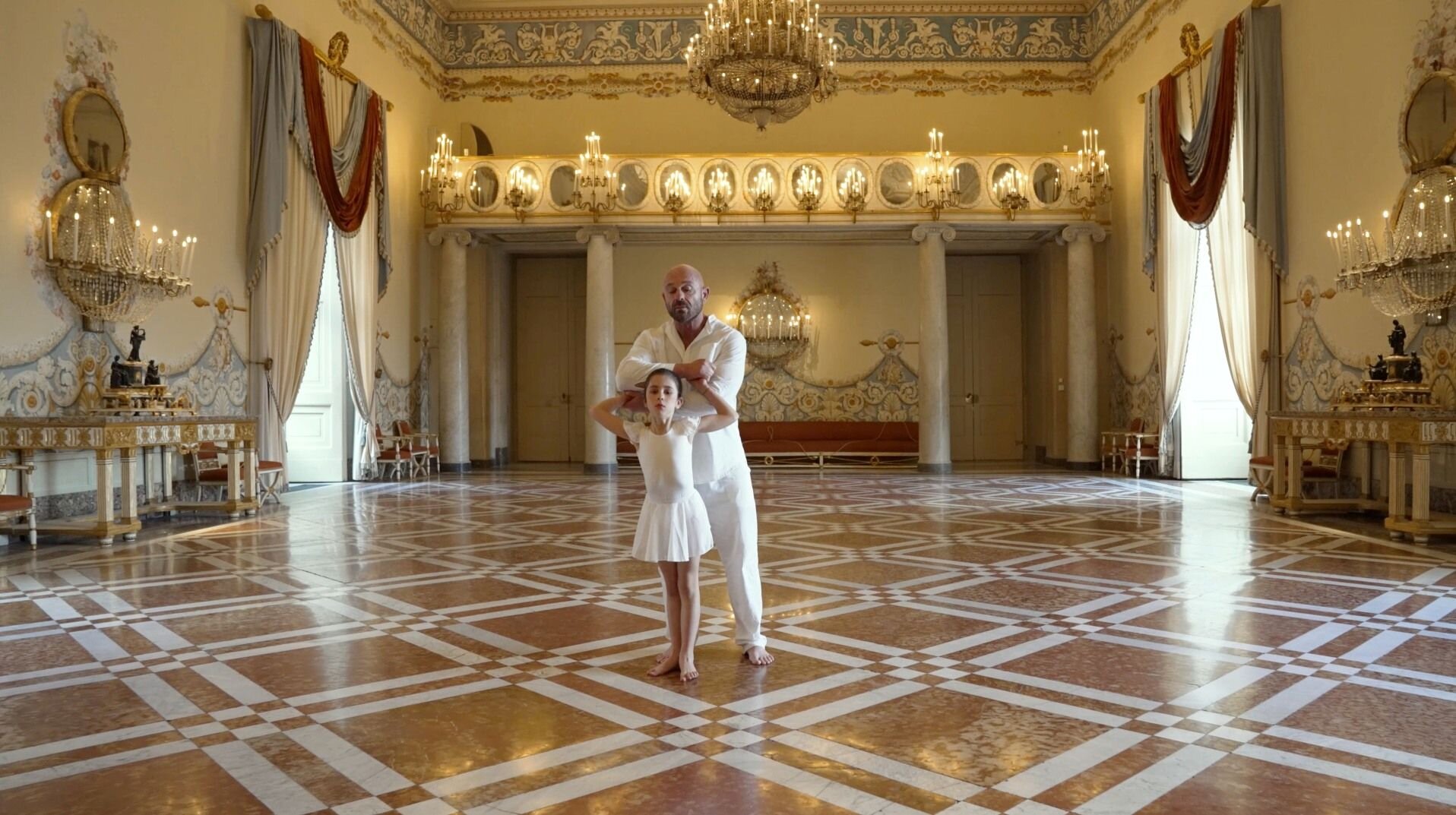
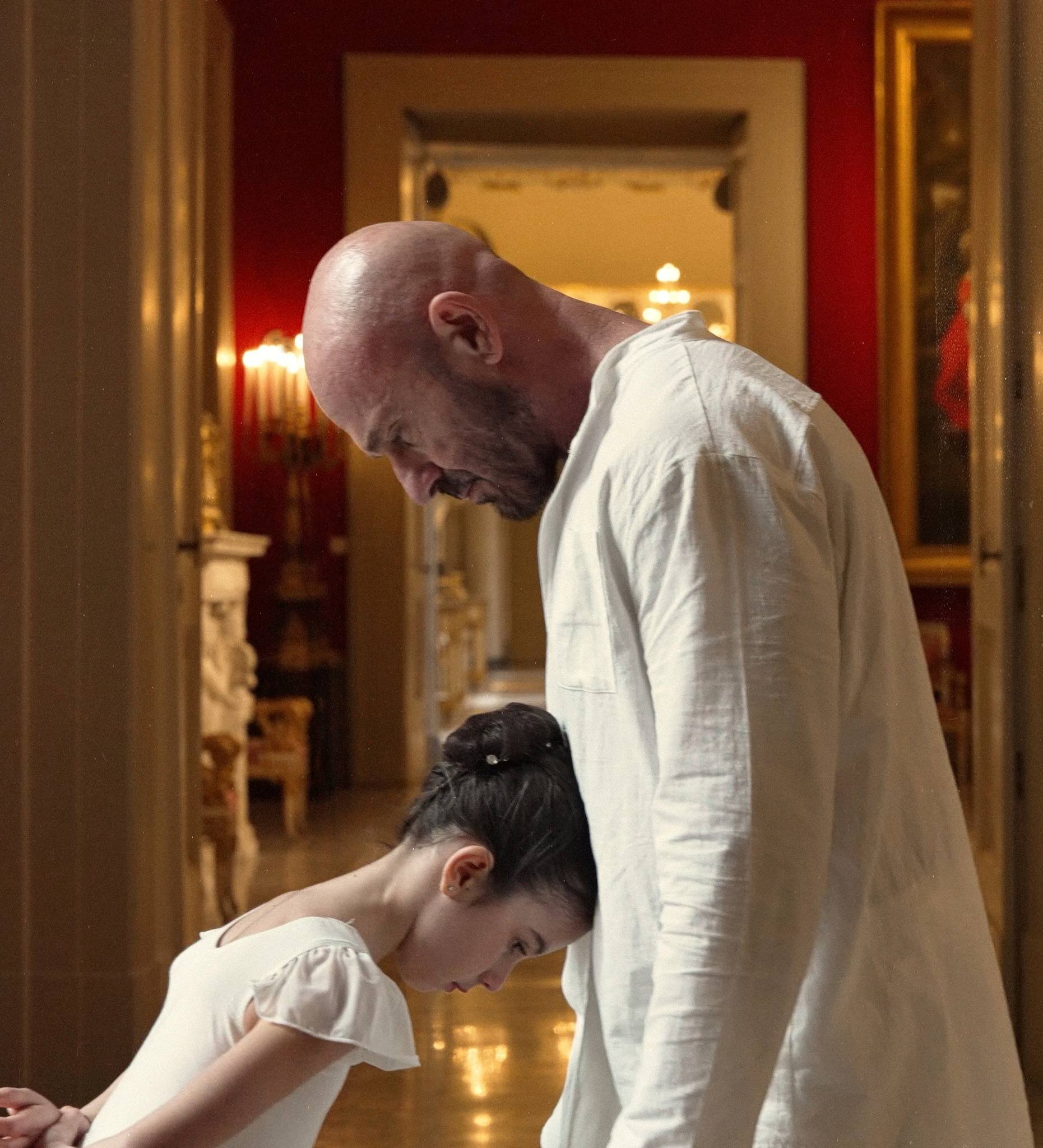
Il videoclip, diretto da Alessandra Sorrentino, trasforma questa connessione in puro movimento coreografico tra le pareti cariche di storia del Museo e Real Bosco di Capodimonte. La narrazione visiva si apre con un’immagine di forte impatto: Raiz, un corpo adulto e vulnerabile, raccolto in posizione fetale al centro dell’immenso Salone delle Feste.
La regista descrive così la genesi dell'opera: "Ho immaginato Raiz come se fosse caduto dall'alto per finire all'origine, su pavimenti carichi di storia. Da quella vulnerabilità nasce l'incontro con il corpo di Lea, dando vita a un viaggio danzato verso una forma condivisa. Qui la paternità non è solo relazione biologica, ma metafora di un viaggio verso il Bello inesplorato, un territorio dove il gesto diventa voce e ciò che non può essere espresso con le parole trova finalmente corpo e casa."
La scelta della Reggia di Capodimonte eleva il brano a una dimensione monumentale ma accessibile, creando un corto circuito virtuoso tra arte visiva e musica. Eike Schmidt, Direttore del Museo, ha accolto il progetto sottolineando la volontà di riscatto che lo anima: "Siamo stati coinvolti dal desiderio di Raiz di riscattare la negatività del suo personaggio. Con sensibilità, ha fatto danzare un padre e una figlia nella bellezza della Reggia, immaginando per loro la possibilità di un’altra storia, fatta di amore e rispetto."
In questo contesto, il museo smette di essere un freddo contenitore di opere per diventare uno spazio vivo, dove la musica e la danza offrono un territorio sicuro in cui la speranza di un futuro diverso può finalmente trovare dimora. Spogliata di ogni sovrastruttura, “Rosa” smette di essere il successo di una serie TV per diventare un puro atto di devozione. Un cammino verso il Bello dove non servono artifici: basta la nuda verità di una voce e di un legame per arrivare, dritta, al cuore.
CREDITI DEL BRANO “ROSA”
Testo: Gennaro Della Volpe
Musica: Gennaro Della Volpe, Giuseppe De Trizio
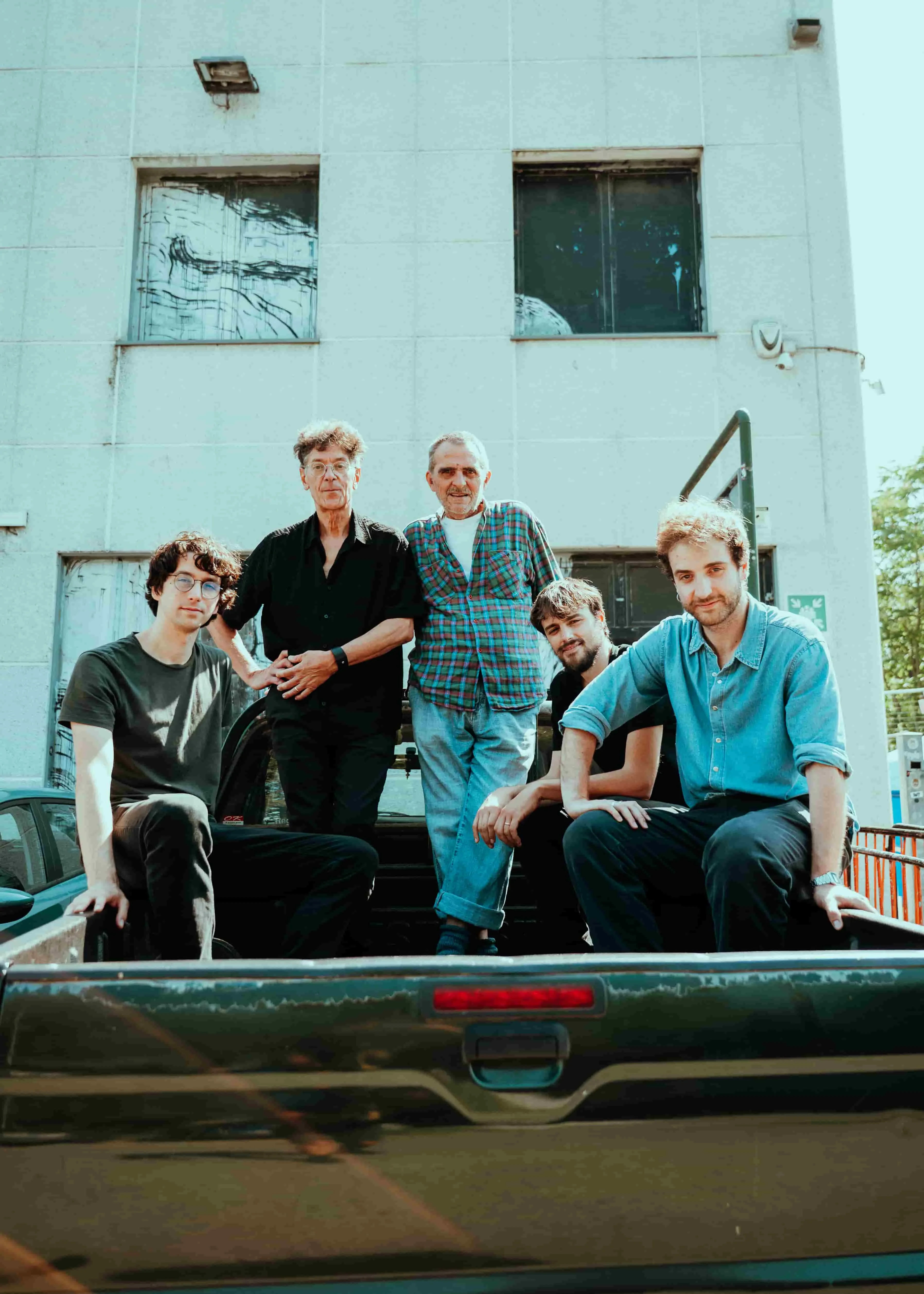
Musicisti:
Raiz – voce
Giuseppe De Trizio – chitarra classica
Adolfo La Volpe – chitarra elettrica
Giorgio Vendola - basso elettrico
Francesco De Palma – batteria
Giovanni Chiapparino – fisarmonica
Etichetta: Visage Music s.a.s.
Edizioni: visage Music s.a.s.
The Redemption of Beauty: Raiz and the New Metamorphosis of “Rosa”
Raiz’s artistic journey is one of profound coherence—an attitude that allows him to inhabit the electric dub of Almamegretta and the tension-filled silences of a television set with the same natural ease. It is not merely a matter of versatility, but of a human quality that remains intact even as the artist sheds his skin. On Friday, March 20, this multifaceted identity finds a new synthesis with the release of the unplugged version of “Rosa.” Originally written in 2024 for the fourth season of Mare Fuori, the song now strips away fiction to become a private confession.
In the TV series, Raiz portrays Don Salvatore Ricci and wrote this song as a dreamlike dedication to his daughter Rosa (played by Maria Esposito). However, the lyrics possess a dual interpretation that transcends the screen to land in real life. While in the fiction it is a father’s dream of his daughter as an adult—imagining her in a wedding dress or graduating—in reality, the song aligns with a concrete, private moment where Lea Della Volpe, Raiz’s real-life daughter, served as the true muse.
"It is a song about parenthood," Raiz explains, "about the exclusive bond between a father and daughter in a moment of extreme difficulty. The track describes the strength to change one’s future, leaving darkness behind. Although the difficulties and shadows differ between the set and private life, the work testifies to how an artist’s expression never strays far from their deepest introspection."
The music video, directed by Alessandra Sorrentino, transforms this connection into pure choreographic movement within the history-laden walls of the Museo e Real Bosco di Capodimonte. The visual narrative opens with a powerful image: Raiz, an adult and vulnerable body, curled in a fetal position in the center of the immense Ballroom.
The director describes the work's genesis: "I imagined Raiz as if he had fallen from above to land at the origin, upon floors steeped in history. From that vulnerability, the encounter with Lea’s body is born, giving life to a danced journey toward a shared form. Here, fatherhood is not just a biological relationship, but a metaphor for a journey toward the unexplored Beauty—a territory where gesture becomes voice and what cannot be expressed in words finally finds a body and a home."
The choice of the Capodimonte Royal Palace elevates the song to a monumental yet accessible dimension, creating a virtuous short circuit between visual art and music. Eike Schmidt, Director of the Museum, welcomed the project, highlighting the desire for redemption that drives it: "We were drawn by Raiz’s desire to redeem the negativity of his character. With sensitivity, he led a father and daughter to dance within the beauty of the Palace, imagining for them the possibility of another story, built on love and respect."
In this context, the museum ceases to be a cold container of artworks and becomes a living space, where music and dance offer a safe haven where the hope for a different future can finally find a home. Stripped of every superstructure, “Rosa” stops being just a hit from a TV series to become a pure act of devotion. A journey toward Beauty where no artifices are needed: the naked truth of a voice and a bond is enough to reach, directly, the heart.
ph_Alessandra Sorrentino