Prima di diventare una delle bevande più diffuse e riconoscibili del pianeta, la birra ha attraversato millenni di storia accompagnando l'evoluzione delle civiltà umane. Le sue origini affondano nella Mesopotamia di oltre cinquemila anni fa, quando i Sumeri scoprirono che i cereali lasciati nell'acqua potevano trasformarsi in una bevanda fermentata dal sapore inaspettato. Da allora il suo viaggio non si è più fermato.
Gli Egizi la consideravano un alimento prezioso, i monasteri medievali europei ne perfezionarono la produzione introducendo il luppolo come conservante naturale, mentre l'Editto della Purezza bavarese del 1516 contribuì a definire alcuni dei principi che ancora oggi regolano la cultura brassicola tedesca. Negli ultimi decenni, poi, la rivoluzione dei birrifici artigianali ha restituito alla birra una straordinaria varietà di stili, aromi e interpretazioni.
Eppure, oltre alla storia ufficiale, la birra custodisce racconti curiosi che parlano di identità nazionali, memorie collettive e tradizioni sorprendenti.
In Ungheria, ad esempio, molti evitano ancora oggi di brindare facendo tintinnare i boccali di birra. Non si tratta di una legge vera e propria, ma di una consuetudine nata da una ferita storica. Dopo la repressione della rivoluzione ungherese del 1848-1849 da parte dell'Impero asburgico, gli ufficiali austriaci avrebbero celebrato l'esecuzione dei leader della rivolta brindando con la birra. Quel ricordo rimase impresso nell'immaginario collettivo e per generazioni brindare facendo tintinnare i boccali di birra fu considerato inappropriato.
La cosa curiosa è che gli ungheresi non hanno mai sviluppato un'avversione verso la bevanda in sé. Al contrario, Budapest è diventata negli ultimi anni una delle capitali emergenti della birra artigianale europea. Tra i protagonisti di questa rinascita spicca il birrificio Mad Scientist, nato dall'entusiasmo di tre giovani appassionati e diventato celebre per ricette creative che mescolano luppoli internazionali, frutta tropicale, spezie, caffè e ingredienti decisamente fuori dagli schemi. Un esempio di come una tradizione possa essere reinterpretata senza perdere il legame con il passato.
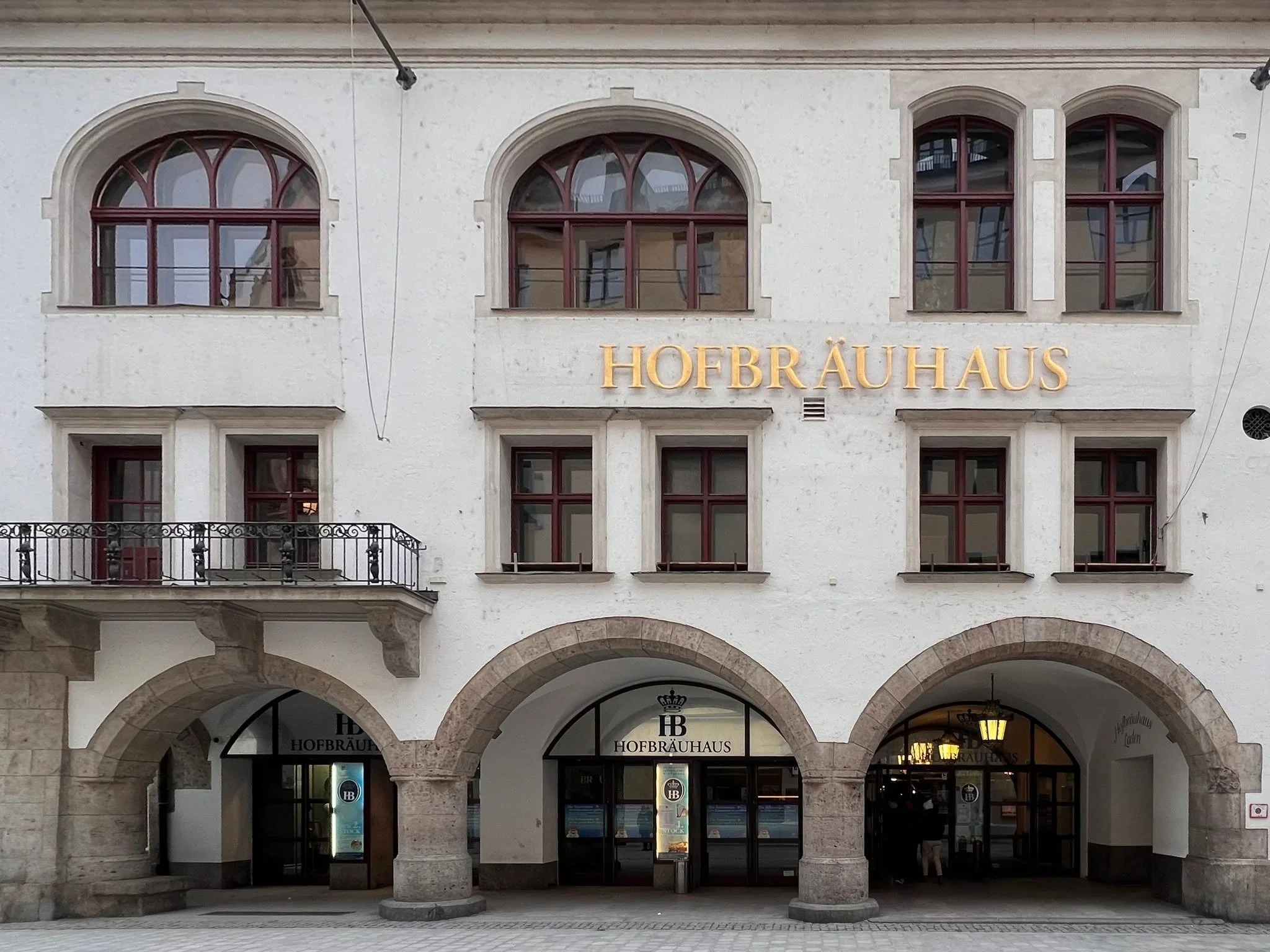
Parlando di birra e luoghi iconici, il pensiero corre inevitabilmente a Monaco di Baviera e alla Hofbräuhaus, probabilmente la birreria più famosa del mondo. Fondata nel 1589 dal duca Guglielmo V di Baviera per rifornire la corte, venne aperta al pubblico soltanto nel XIX secolo e da allora è diventata una delle attrazioni più visitate della città.
Entrare nelle sue sale significa immergersi in un rituale che sembra sospeso nel tempo. Sotto le grandi volte decorate scorrono litri di lager, weissbier e specialità bavaresi, accompagnate da stinchi, crauti e salsicce. L'atmosfera è quella delle grandi occasioni popolari, dove turisti e habitué condividono lunghi tavoli di legno. Alcuni clienti storici possono addirittura contare su un privilegio speciale: il proprio boccale personale custodito dalla birreria, una tradizione che contribuisce ad alimentare il mito di questo luogo unico.
Se l'Ungheria racconta il peso della memoria e Monaco celebra la continuità della tradizione, l'Islanda offre probabilmente la vicenda più sorprendente. Fino al 1989 bere birra era illegale. Per oltre settant'anni, mentre vino e superalcolici tornavano gradualmente sul mercato, la bevanda più popolare del mondo restò vietata.
Le ragioni affondavano nelle tensioni storiche con la Danimarca e nella convinzione che una bevanda economica come la birra avrebbe favorito un consumo eccessivo di alcol. Gli islandesi trovarono comunque soluzioni creative, mescolando liquori locali e birra analcolica per aggirare le restrizioni. Quando il divieto venne finalmente abolito, il Paese assistette a una vera esplosione di creatività brassicola.
Oggi Reykjavík e le altre città islandesi ospitano una scena artigianale vivacissima. Tra i nomi più noti figura Ægir Brugghús, che prende il nome dal dio del mare della mitologia norrena e propone birre spesso aromatizzate con ingredienti che richiamano il paesaggio dell'isola: bacche selvatiche, erbe e altre suggestioni provenienti da una natura estrema e affascinante.
Forse è proprio questo uno degli aspetti più affascinanti della birra. Dietro ogni boccale si intrecciano storie di rivoluzioni, leggende, divieti, viaggi e identità culturali. Racconti lontani tra loro, ma accomunati dalla capacità di trasformare una semplice bevanda in una chiave di lettura dei luoghi e delle persone
Beer, More Than Just a Drink: Three Surprising Stories from Hungary, Bavaria and Iceland
Before becoming one of the most widespread and recognizable beverages on the planet, beer spent millennia accompanying the evolution of human civilizations. Its origins date back more than five thousand years to Mesopotamia, where the Sumerians discovered that grains left in water could transform into a fermented drink with an unexpected taste. Since then, its journey has never stopped.
The Egyptians considered it a valuable source of nourishment, medieval European monasteries refined its production by introducing hops as a natural preservative, while the Bavarian Purity Law of 1516 helped establish some of the principles that still shape German brewing culture today. In recent decades, the craft beer revolution has given beer an extraordinary variety of styles, aromas and interpretations.
Yet beyond its official history, beer also preserves fascinating stories that speak of national identities, collective memories and unexpected traditions.
In Hungary, for example, many people still avoid clinking beer glasses during a toast. This is not an actual law, but rather a custom rooted in a historical wound. After the suppression of the Hungarian Revolution of 1848–1849 by the Habsburg Empire, Austrian officers are said to have celebrated the execution of the rebellion's leaders by toasting with beer. The memory of that episode remained deeply embedded in the national consciousness, and for generations clinking beer mugs was considered inappropriate.
What makes the story even more interesting is that Hungarians never developed an aversion to beer itself. On the contrary, Budapest has become one of Europe's emerging craft beer capitals. Among the leading names of this renaissance is Mad Scientist, a brewery founded by three young enthusiasts and renowned for its creative recipes that combine international hops, tropical fruits, spices, coffee and other unconventional ingredients. It is a perfect example of how tradition can be reinterpreted without losing its connection to the past.
When talking about beer and iconic destinations, thoughts inevitably turn to Munich and the Hofbräuhaus, probably the most famous beer hall in the world. Founded in 1589 by Duke Wilhelm V of Bavaria to supply the royal court, it was opened to the public only in the nineteenth century and has since become one of the city's most visited attractions.
Walking into its halls feels like stepping into a ritual suspended in time. Beneath the decorated vaulted ceilings, litres of lager, weissbier and Bavarian specialties are served alongside pork knuckles, sauerkraut and sausages. The atmosphere is one of shared celebration, where tourists and regulars gather around long wooden tables. Some loyal customers even enjoy a unique privilege: their own personal beer mug stored by the beer hall itself, a tradition that continues to fuel the legend of this remarkable place.
If Hungary tells a story of memory and Munich celebrates continuity, Iceland offers perhaps the most surprising chapter of all. Until 1989, drinking beer was illegal. For more than seventy years, while wine and spirits gradually returned to the market, the world's most popular fermented beverage remained prohibited.
The reasons lay in Iceland's historical tensions with Denmark and in the belief that an inexpensive drink such as beer would encourage excessive alcohol consumption. Icelanders found creative ways around the restrictions, often mixing local spirits with non-alcoholic beer. When the ban was finally lifted, the country experienced an extraordinary explosion of brewing creativity.
Today, Reykjavík and other Icelandic towns boast a thriving craft beer scene. Among the best-known names is Ægir Brugghús, named after the sea giant-god of Norse mythology, which produces beers often flavored with ingredients inspired by Iceland's landscape: wild berries, herbs and other treasures drawn from a natural environment that is both rugged and captivating.
Perhaps this is one of beer's most fascinating qualities. Behind every mug lie stories of revolutions, legends, prohibitions, journeys and cultural identities. Different stories, yet united by their ability to transform a simple beverage into a key for understanding places and the people who inhabit them.
Credit Ph
Republic of Korea, CC BY-SA 2.0 <https://creativecommons.org/licenses/by-sa/2.0>, via Wikimedia Commons
Burkhard Mücke, CC BY-SA 4.0 <https://creativecommons.org/licenses/by-sa/4.0>, via Wikimedia Commons