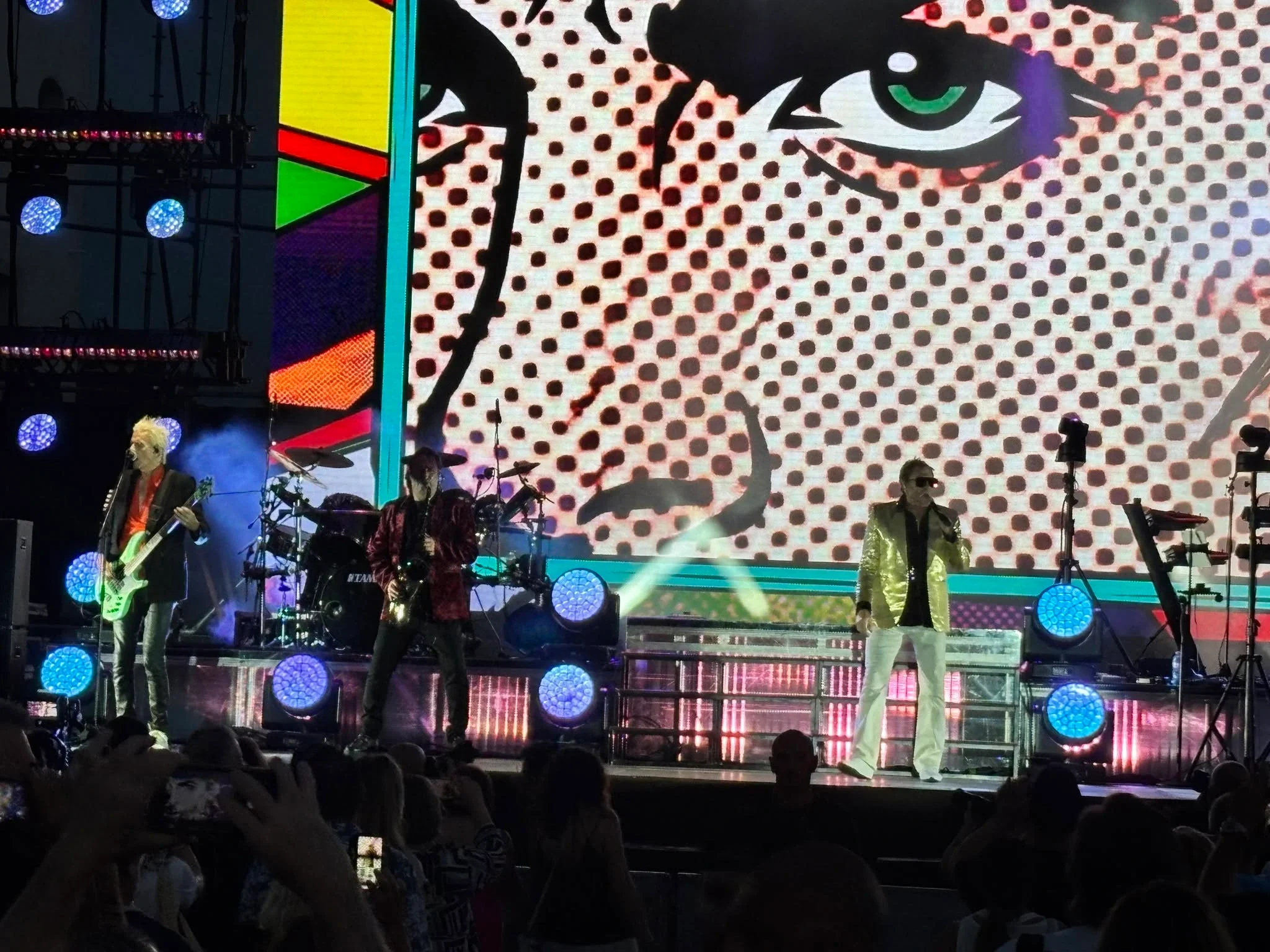
Osservare i Duran Duran oggi, a quasi mezzo secolo dalla fondazione avvenuta nel lontano 1978, costringe a riscrivere i manuali della critica musicale più snob, quella che un tempo liquidava il quintetto di Birmingham come un fenomeno pop transitorio e privo di spessore.
I critici più severi dell'epoca intravedevano nelle loro canzoni una sorta di vuoto cosmico, sigillato da generose dosi di lacca e confinato, almeno in Italia, all'immaginario estetico dei paninari.
Proprio l’Italia, forse più di ogni altra nazione, visse quell’epopea come una vera e propria febbre collettiva, un delirio generazionale capace di spingere migliaia di adolescenti a giurare fedeltà eterna a Simon Le Bon tra le pagine di diari scolastici infarciti di sogni. Bisognava scomodare i fantasmi della Beatlemania per ritrovare scene di analoga isteria e fanatismo di massa.
Travolta da quella stessa filosofia dell'immagine che aveva contribuito a plasmare, la parabola dei Duran Duran sembrava destinata a spegnersi all'alba del decennio successivo. Il giudizio storico appariva già scritto: una fotografia del disimpegno degli anni Ottanta destinata a sbiadire con il passare del tempo.
La realtà, tuttavia, si è rivelata diametralmente opposta, dimostrando che sotto lo smalto dei videoclip esotici pulsava un’autentica e viscerale attitudine da palcoscenico. Sopravvissuti alle mode, agli eccessi e alle inevitabili intemperie dell’industria discografica, questi signori sono arrivati ai giorni nostri mantenendo intatta la quasi totalità della formazione originaria, un sodalizio scalfito soltanto dalla dolorosa assenza per motivi di salute del chitarrista Andy Taylor. John Taylor, Nick Rhodes, Roger Taylor e Simon Le Bon calcano ancora le scene animati da una complicità che profuma di ritrovata serenità, priva di quell’ansia ossessiva che ne caratterizzava i primi anni di carriera.
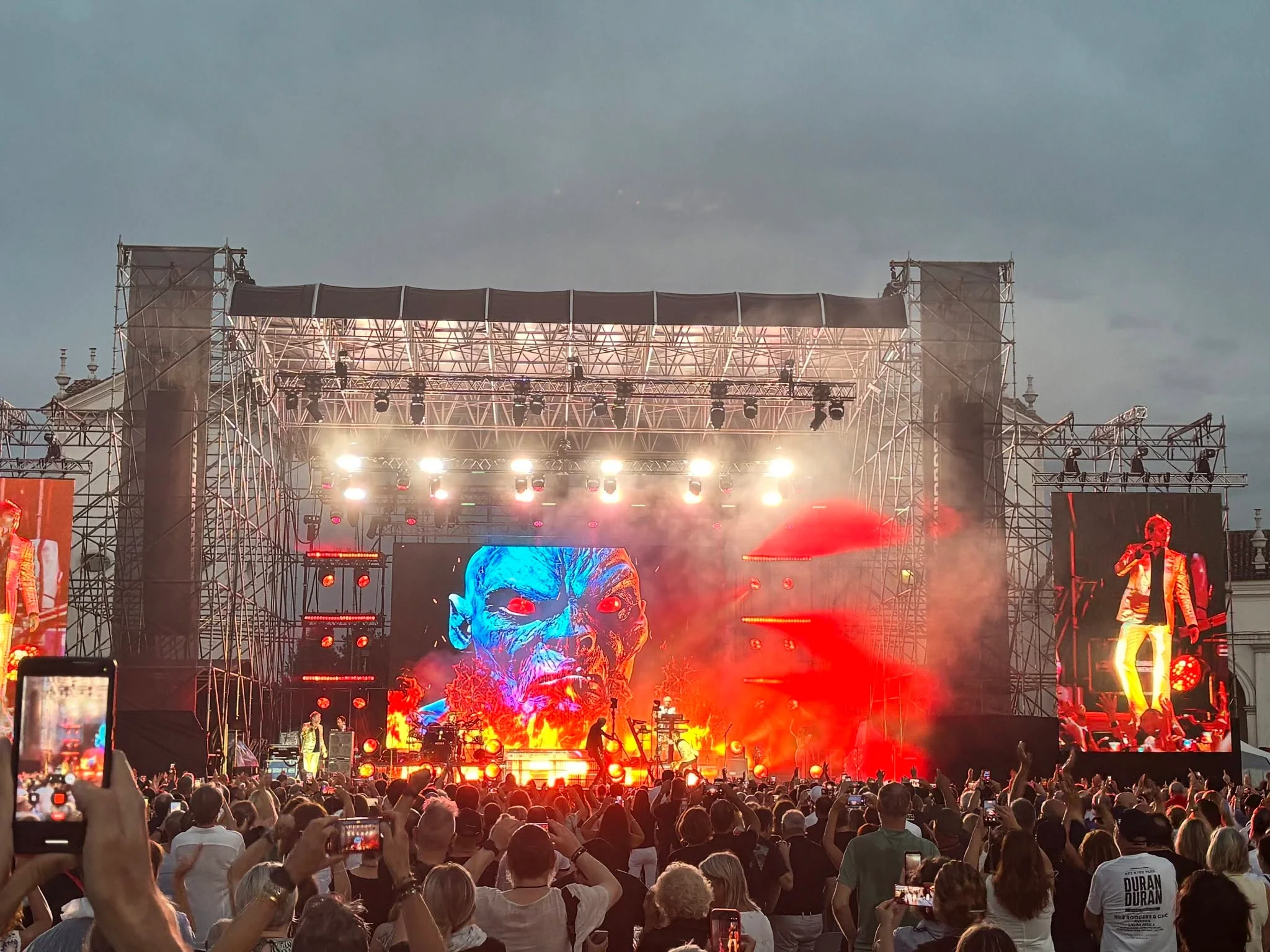
A Villa Manin la pioggia imminente e l'afa estiva sono svanite non appena gli amplificatori hanno iniziato a pompare suono, accendendo all'istante diecimila persone pronte a tutto pur di ballare. Un rito collettivo che si è consumato in due ore di sudore e canzoni, dove la vecchia venerazione per i quattro di Birmingham è riemersa sotto forma di un amore viscerale, quasi fisico.
L'attacco affidato a Is There Something I Should Know?, doppiato senza respiro dalle percussioni incendiarie di The Wild Boys, è una scossa elettrica che rimette immediatamente in circolo energie dimenticate.
Diventa subito chiaro che il tempo, per loro, non è stato un carnefice, ma un alleato che ha liberato quelle canzoni dalle etichette commerciali degli anni Ottanta, lasciandone emergere tutta la solidità musicale. C’è una dignità enorme nel vederli invecchiare con questa classe sul palco. È una rivendicazione temporale che riscatta l'adolescenza di un'intera platea, dimostrando che quei sogni degli anni Ottanta, liquidati allora dai più grandi come futili infatuazioni passeggeri, possedevano una radice molto più profonda di quanto si fosse disposti ad ammettere.
La scaletta avanza implacabile. C’è spazio per A View To A Kill, manifesto sonoro in pieno stile 007, nonostante un attempato (per il ruolo) Roger Moore nei panni di Bond, per poi virare verso l'urgenza ritmica di Hungry Like the Wolf e The Reflex, quest'ultima eseguita purtroppo senza la leggendaria cascata d'acqua che inondava i maxischermi nei tour dell'epoca, ma dotata oggi di un'energia ancora più sorprendente. Poi arriva la sequenza micidiale con i brividi a pelle di Come Undone, Notorious e Planet Earth, mentre sul palco John Taylor, oggi più ottimo musicista che sex symbol, l'estro sintetico, glaciale e immutato di Nick Rhodes e il drumming diritto ed elegante di Roger Taylor, dialogano all’unisono, restituendo l'essenza più autentica e puramente black del suono di Birmingham.
Al centro di tutto svetta Simon Le Bon: domina la scena con un carisma intatto, concedendosi a tratti persino un eccesso di istrionismo, ma è pur sempre Simon Le Bon, perdio, e gli si perdona tutto. Gli accendini, pardon, gli smartphone, hanno ormai sostituito ogni vecchio rituale, illuminando la notte friulana durante Ordinary World e Save a Prayer e sospendendo per qualche minuto il tempo.
Nel cuore di questa celebrazione la band trova comunque una strada per guardare in avanti, piazzando in scaletta il nuovo singolo Free To Love. La risposta calorosa del pubblico conferma che l'identità artistica dei Duran Duran non ha alcuna intenzione di farsi imbalsamare, preferendo il rischio dell'evoluzione continua alla comodità della pura auto-celebrazione. Lo spettacolo, del resto, ha trovato una sponda formidabile nella maestosa bellezza di Villa Manin: una produzione curata e un disegno luci essenziale si sono fusi con l'architettura della villa, esaltandosi a vicenda e ribadendo come questo luogo non sia solo uno spazio prestigioso, ma uno dei posti più suggestivi e straordinari d'Italia in cui fare e ascoltare musica.
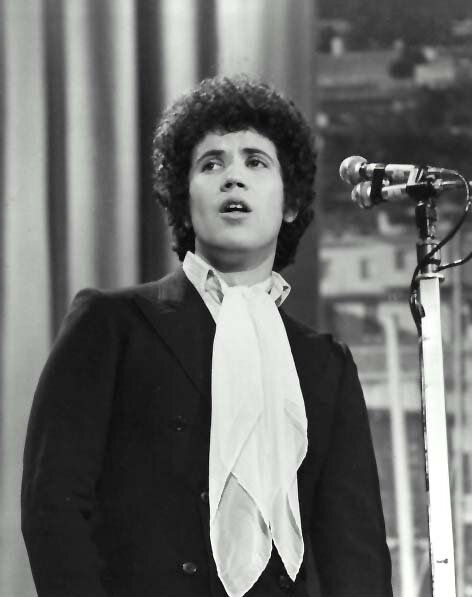
Il trionfo friulano ha ribadito come la band britannica sappia maneggiare la materia pop con un equilibrio e una freschezza disarmanti, divertendosi sul palco ancor più di ieri. Lontani dai fasti assordanti di quel Festival di Sanremo di quarant’anni fa, in cui la musica finiva tragicamente in secondo piano rispetto alle urla dei fan e al livore dei detrattori, i Duran Duran odierni mettono finalmente al centro della scena il proprio repertorio, consegnandoci una band in stato di grazia, capace di trasformare il passato in un trionfale manifesto di contemporaneità.
Quando i fari si spengono e la folla si avvia verso le uscite, negli sguardi di chi va via non c'è il rimpianto per i vent'anni perduti, ma la consapevolezza che quelle canzoni sono diventate la colonna sonora di una maturità conquistata a testa alta. È questa, forse, la vera vittoria dei Duran Duran: aver dimostrato che il tempo può consumare le mode, ma mai una grande canzone.
Duran Duran at Villa Manin: Why Time Is Powerless Against a Great Song
Watching Duran Duran today, nearly half a century since their foundation back in 1978, forces a radical rewrite of the snobbist music criticism manuals—the ones that once dismissed the Birmingham quintet as a fleeting, shallow pop phenomenon.
The harshest critics of the era glimpsed a sort of cosmic void in their songs, a vacuum sealed by generous coats of hairspray and confined, at least in Italy, to the aesthetic universe of the paninari. Yet Italy, perhaps more than any other nation, experienced that era as a literal collective fever, a generational delirium capable of driving thousands of teenagers to swear eternal allegiance to Simon Le Bon within the pages of dream-soaked school diaries. One had to conjure the ghosts of Beatlemania to find scenes of comparable hysteria and mass fanaticism.
Swept away by the very philosophy of image they had helped shape, Duran Duran’s trajectory seemed destined to burn out by the dawn of the following decade. The historical verdict appeared set in stone: a snapshot of 1980s superficiality, bound to fade with the passage of time.
The reality, however, proved diametrically opposed, demonstrating that beneath the gloss of exotic music videos pulsed a genuine, visceral stage presence. Surviving trends, excesses, and the inevitable storms of the music industry, these gentlemen have arrived in the present day with their original lineup almost entirely intact—a bond fractured only by the painful absence of guitarist Andy Taylor due to health reasons. John Taylor, Nick Rhodes, Roger Taylor, and Simon Le Bon still tread the boards driven by a chemistry that breathes a newfound serenity, stripped of the obsessive anxiety that characterized their early years.
At Villa Manin, the initial threats of rain and the summer heat liquefied the exact moment the amplifiers began pumping sound, enveloping ten thousand people ready for anything just to dance. It was a collective ritual consumed in two hours of sweat and songs, where the old veneration for the Birmingham four re-emerged as a visceral, almost physical love.
The opening attack of Is There Something I Should Know?, breathlessly followed by the incendiary percussion of The Wild Boys, acted as an electric shock, instantly jolting forgotten energies back into circulation. It immediately became clear that time has not been a executioner for them, but an ally. It has stripped those songs of their 1980s commercial labels, letting their sheer musical solidity emerge. There is immense dignity in watching them grow old with such class on stage. It is a temporal reclamation that redeems the adolescence of an entire crowd, proving that those eighties dreams—dismissed back then by elders as mere fleeting infatuation—possessed a root far deeper than anyone was willing to admit.
The setlist advanced relentlessly. There was room for A View To A Kill, a cinematic manifesto in full 007 style, despite an aging (for the role) Roger Moore as Bond, before veering into the rhythmic urgency of Hungry Like the Wolf and The Reflex—the latter unfortunately executed without the legendary water cascade that flooded the screens during the tours of that era, yet charged today with an even more surprising energy. Then came the killer sequence with skin-crawling goosebumps of Come Undone, Notorious, and Planet Earth, while on stage John Taylor—now more an exceptional musician than a sex symbol—, the synthetic, glacial, and unchanged flair of Nick Rhodes, and the straight, elegant drumming of Roger Taylor conversed in unison, restoring the most authentic and purely black essence of the Birmingham sound.
At the center of it all stood Simon Le Bon: dominating the stage with intact charisma, occasionally indulging in an excess of histrionics, but he is still Simon Le Bon, damn it, and he is forgiven everything. Lighters—pardon, smartphones, their binary code having now replaced every old ritual—illuminated the Friulian night during Ordinary World and Save a Prayer, suspending time for a few fleeting minutes.
In the heart of this celebration, the band still found a path to look forward, slotting their new single Free To Love into the setlist. The crowd's warm response confirmed that Duran Duran’s artistic identity has no intention of being mummified, preferring the risk of continuous evolution over the comfort of pure self-celebration. The show, moreover, found a formidable ally in the majestic beauty of Villa Manin: a polished production and an essential lighting design merged with the villa's architecture, elevating each other and reaffirming that this venue is not just a prestigious space, but one of the most evocative and extraordinary places in Italy to perform and listen to music.
The Friulian triumph reasserted how the British band knows how to handle pop material with disarming balance and freshness, enjoying themselves on stage even more than yesterday. Far from the deafening clamor of that Sanremo Festival forty years ago, where the music tragically took a backseat to screaming fans and the bitterness of detractors, today’s Duran Duran finally put their repertoire center stage, delivering a band in a state of grace, capable of transforming the past into a triumphant manifesto of modernity.
As the house lights went down and the crowd headed toward the exits, there was no regret for lost youth in the eyes of those leaving, but rather the awareness that those songs have become the soundtrack to a maturity conquered with heads held high. This is perhaps Duran Duran’s true victory: proving that time can consume trends, but never a great song.