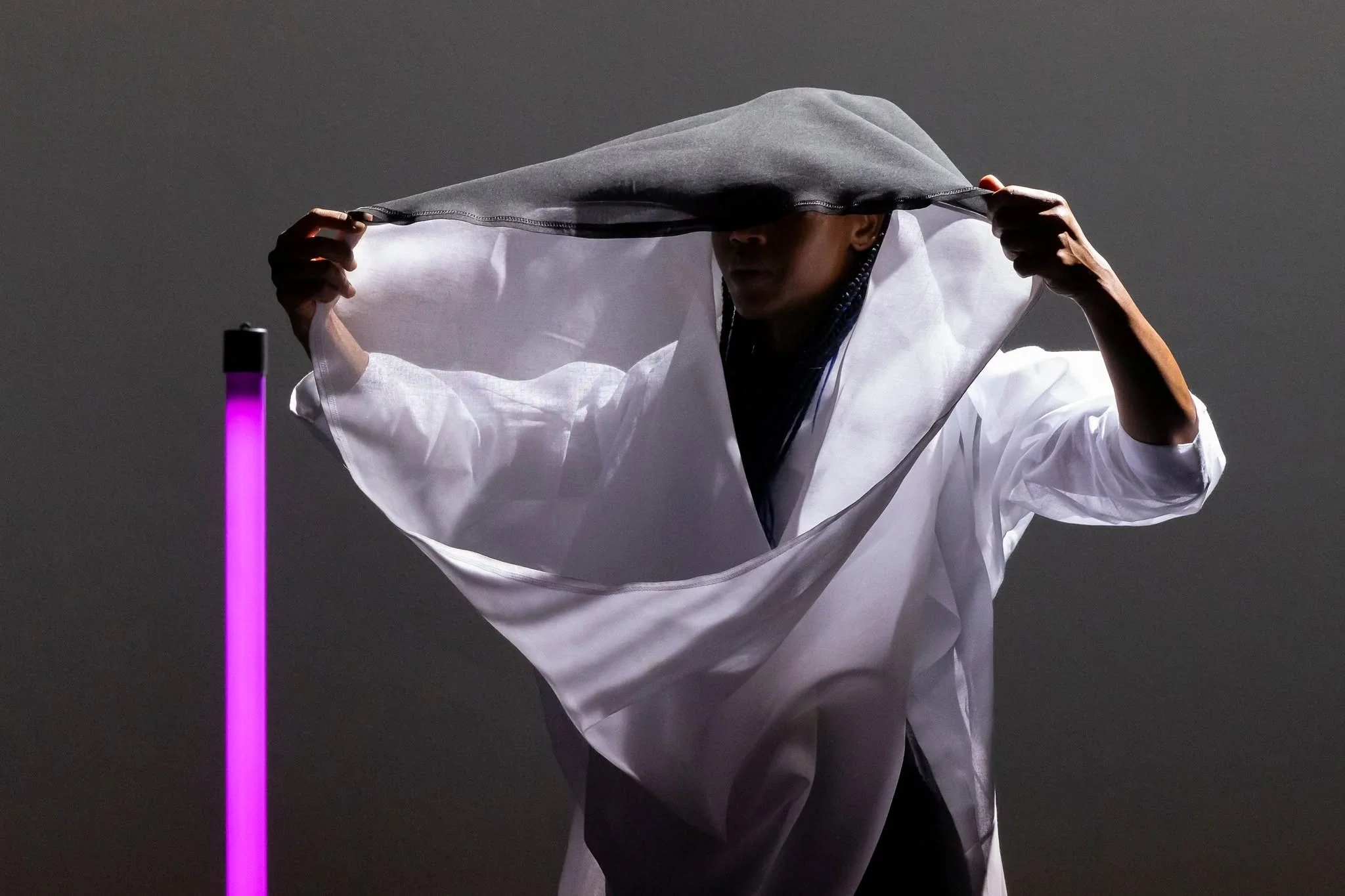
Dal 3 al 12 settembre 2026 Roma torna a essere attraversata da Short Theatre, il festival internazionale dedicato alla creazione contemporanea e alle performing arts, giunto alla XXI edizione. Dieci giorni, oltre 65 appuntamenti e circa 40 tra compagnie, progetti e artiste e artisti provenienti da Italia, Europa, Africa, Americhe e Asia compongono un programma che porta teatro, danza, musica e performance fuori dai confini tradizionali dello spettacolo.
La città diventa parte integrante del festival. Accanto alla Pelanda del Mattatoio, cuore della manifestazione, Short Theatre coinvolge il Teatro India, il Teatro Vittoria, il Cinema Troisi, il MACRO – Museo d'Arte Contemporanea di Roma, il Museo delle Civiltà e, per l'apertura, l'Orto Botanico di Roma.
La direzione curatoriale di Silvia Bottiroli, Silvia Calderoni, Ilenia Caleo e Michele Di Stefano parte da una domanda: quale funzione può avere oggi un festival? La risposta passa dalla possibilità di mostrare non soltanto gli spettacoli, ma anche i processi creativi, lasciando spazio a opere difficili da racchiudere in una categoria precisa.
Teatro, danza, musica, poesia e arti visive si incontrano così in formati ibridi, mentre il programma guarda a geografie e prospettive diverse, affrontando temi come memoria, colonialismo, identità e corpo.
La prima giornata, il 3 settembre, offre forse l'immagine più rappresentativa dello spirito di questa edizione. Dalle 18 alle 22 l'Orto Botanico di Roma diventa un grande spazio performativo attraversato da spettacoli, suoni, parole e azioni che si susseguono come un unico flusso.
Tra gli appuntamenti dell'opening figurano la performance Dance for Nothing (revisited) di Eszter Salamon, il progetto QUIXOTE_a rose is not a rose di Industria Indipendente e il rito sonoro Naturale sconosciuto di Mariangela Gualtieri. La serata si chiude con DOWN della svizzera Melissa Guex, tra danza e batteria dal vivo.
Tra i temi centrali di Short Theatre 2026 c'è la rilettura della storia e degli immaginari coloniali. Muna Mussie presenta Cinema Impero Roma, progetto articolato tra Cinema Troisi, Museo delle Civiltà e MACRO, mentre Betty Tchomanga porta a Roma Histoire(s) Décoloniale(s). Dorothée Munyaneza, con Moi, toi, Tituba, parte invece dalla figura di Tituba per costruire un archivio sensibile fatto di corpo, memoria e voce.
Il corpo torna protagonista anche in Michel. The animals I am di Chiara Bersani, che ripensa il repertorio della danza classica attraverso tre corpi con disabilità, e in Mirlitons di François Chaignaud e Aymeric Hainaux, dove canto lirico e beatbox si incontrano sulla scena.
Accanto agli spettacoli, Short Theatre propone progetti site-specific, incontri e momenti dedicati alla condivisione dei saperi. CAMERA apre al pubblico i processi di creazione drammaturgica, mentre CLASSE propone conferenze gratuite con artiste, artisti, studiosi e attivisti. La musica accompagna inoltre le giornate con Salon, formato quotidiano dedicato all'ascolto, all'incontro e alla socialità.
Per dieci giorni Roma diventa così una grande scena diffusa, dove teatri, musei, spazi verdi e luoghi della città entrano in relazione con le arti performative. Short Theatre 2026 invita a guardare la creazione contemporanea non come qualcosa da osservare a distanza, ma come un'esperienza da attraversare e condividere.
Programma completo su https://www.shorttheatre.org
Short Theatre 2026: Rome becomes an open stage for contemporary creation
From September 3 to 12, 2026, Rome will once again be crossed by Short Theatre, the international festival dedicated to contemporary creation and the performing arts, now in its 21st edition. Ten days, more than 65 events and around 40 companies, projects, artists and performers from Italy, Europe, Africa, the Americas and Asia make up a programme that brings theatre, dance, music and performance beyond the traditional boundaries of the stage.
The city itself becomes part of the festival. Alongside La Pelanda at the Mattatoio, the heart of the event, Short Theatre involves Teatro India, Teatro Vittoria, Cinema Troisi, the MACRO – Museum of Contemporary Art of Rome, the Museum of Civilizations and, for the opening, the Botanical Garden of Rome.
A festival that crosses boundaries
The curatorial team of Silvia Bottiroli, Silvia Calderoni, Ilenia Caleo and Michele Di Stefano starts from a question: what role can a festival play today? Short Theatre's answer lies in the possibility of revealing not only performances, but also the creative processes behind them, making room for works that are difficult to fit into a single category.
Theatre, dance, music, poetry and visual arts meet in hybrid formats, while the programme looks towards different geographies and perspectives, exploring themes such as memory, colonialism, identity and the body.
The Botanical Garden opens the festival
The opening day, September 3, perhaps offers the clearest image of the spirit of this edition. From 6 pm to 10 pm, the Botanical Garden of Rome becomes a large performance space filled with shows, sounds, words and actions unfolding as one continuous flow.
The opening programme includes Eszter Salamon's Dance for Nothing (revisited), QUIXOTE_a rose is not a rose by Industria Indipendente, and Naturale sconosciuto, a sound ritual by Mariangela Gualtieri. The evening closes with DOWN by Swiss artist Melissa Guex, combining dance and live drums.
Bodies, memory and new imaginaries
One of the central themes of Short Theatre 2026 is the rethinking of history and colonial imaginaries. Muna Mussie presents Cinema Impero Roma, a project spread across Cinema Troisi, the Museum of Civilizations and MACRO, while Betty Tchomanga brings Histoire(s) Décoloniale(s) to Rome. Dorothée Munyaneza, with Moi, toi, Tituba, starts from the figure of Tituba to create a sensitive archive made of body, memory and voice.
The body is also at the heart of Michel. The Animals I Am by Chiara Bersani, which reimagines the classical dance repertoire through three disabled bodies, and Mirlitons by François Chaignaud and Aymeric Hainaux, where opera singing and beatboxing meet on stage.
A festival to experience
Alongside performances, Short Theatre offers site-specific projects, encounters and opportunities for sharing knowledge. CAMERA opens up the processes of dramaturgical creation to the public, while CLASSE offers free talks with artists, researchers and activists. Music also accompanies the festival through Salon, a daily format dedicated to listening, encounters and social interaction.
For ten days, Rome becomes a large-scale, scattered stage where theatres, museums, green spaces and other parts of the city enter into dialogue with the performing arts. Short Theatre 2026 invites audiences to look at contemporary creation not as something to observe from a distance, but as an experience to enter, explore and share.
Full programme: shorttheatre.org
Credits ph:
Myriade #2_ Dorothée Munyaneza _ Compagnie Kadi_di Toi, Moi, Tituba
Nacera Belaza_L’Echo © Simon Gosselin